Courtesy of Horizon Health www.horizonhealthcare.org
By Eliza Marie Somers
- Food is medicine.
- Walking is man’s best medicine.
- Use it or lose it.
Those sage adages were the foundation of the July 10, 2026, Brain Injury Hope Foundation’s Survivor Series: Nutrition, Physical Activity and Weight Management for the Brain Injury Community: Improving Your Health and Well-Being.
Survivor Series Presenters
- Alyssa Berg
Clinical exercise physiologist
Silver Strength, LLC
https://silverstrengthllc.com/
303-912-0793
- Jessica Green
CommonSpirit Health
https://commonspiritinternational.org/
Board certified in obesity and weight management
Certified diabetes educator
Registered dietitian
- Dr. Shane Steadman
Functional medicine doctor
Integrated Brain Centers
3601 South Clarkson St., Suite #420
Englewood, Colorado 80113
https://integratedbraincenters.com/
303-781-0126
“I love food. And I love what the nutrients and food can do to you,” said Series presenter Jessica Green, who is a registered dietitian with CommonSpirit Health. “I can reset your metabolism with one broccoli at a time; one piece of carrot at a time.
“It's just there's so much we can do with (food) to support overall health, whether we're dealing with stroke, traumatic brain injury, heart attack, diabetes, whatever it is we're dealing with, that food can definitely be a part of that. And that more importantly, food can still be an enjoyable experience.”
- Food as medicine https://www.ihn.cuimc.columbia.edu/news/what-does-food-medicine-mean
Green stressed that last point by emphasizing that food should not be a source of stress. Even pizza can be upleveled by adding some vegetables – olives, spinach, basil, pineapple – the sky’s the limit.
“Eating does not need to be a very complex endeavor,” Green explained. “It's innate to us as a species, so we can still enjoy that while properly fueling and making sure we're getting in all the different colors to support overall health.”
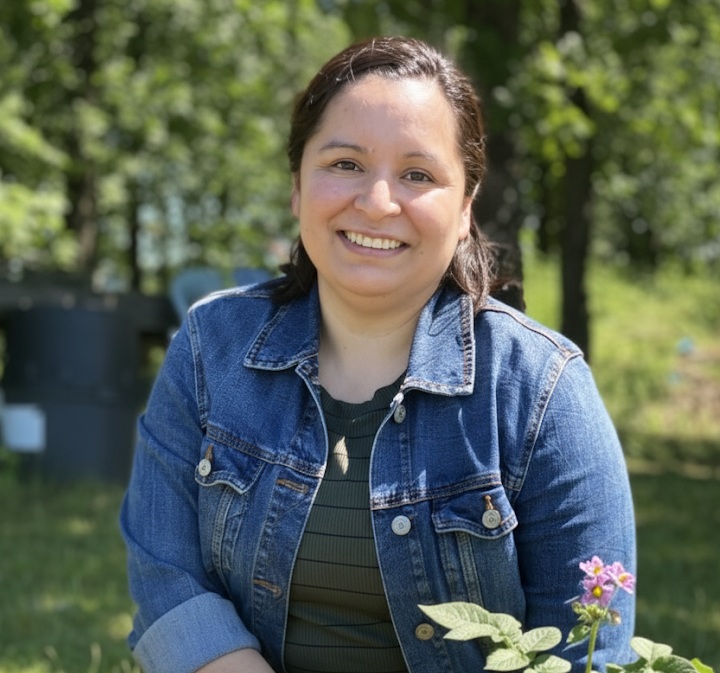
Jessica Green says eating should not be complicated. Following a diet that incorporates a variety of colors can help brain injury survivors.
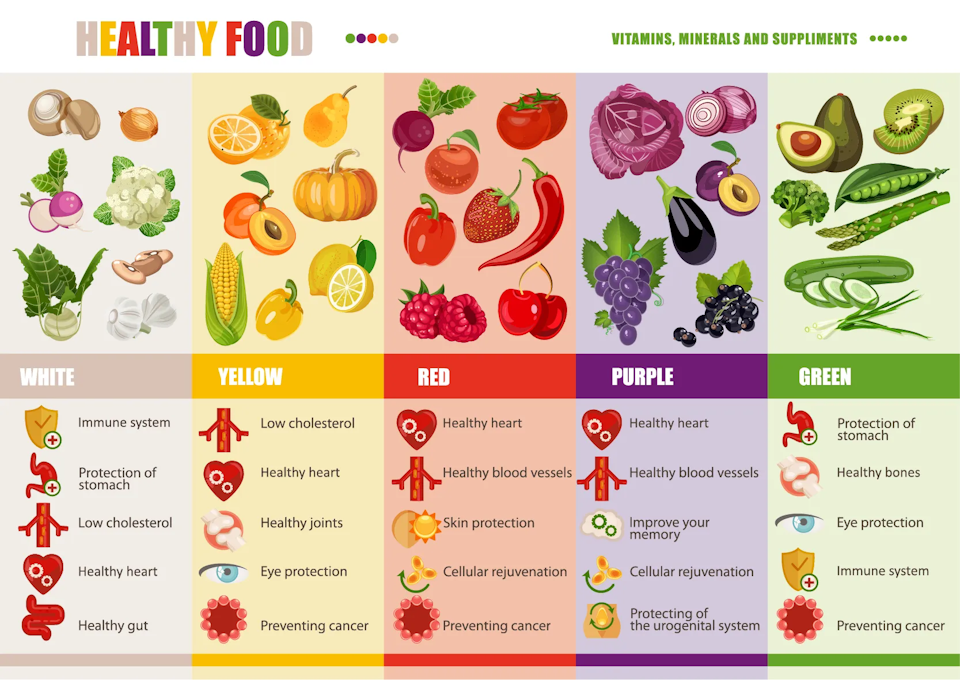
Eating the rainbow is an easy way to get your fill of fruits and veggies. Think green as in leafy veggies, red as in tomatoes, berries, cherries and peppers. Blueberries and blackberries can be your intake of purple – even purple cabbage. For more on the rainbow diet.
Series presenter Dr. Shane Steadman agreed with Green on the importance of nutrition concerning brain injury survivors.
“Nutrition is huge. I'm so glad that we actually get to talk about nutrition because it's not talked about out there. A lot of people have brain injuries, and they don't understand how important nutrition is. When you have a brain injury, you have brain inflammation,” Steadman explained.
“I tell patients all the time, there's things you can control, and there's things that you can't. The things you can control is what you put in your mouth. So, if you have inflammation in the brain, then why would you put inflammatory foods in your mouth? That makes zero sense to me if we're trying to reduce the inflammation, trying to reduce the oxidative stress.”
What is oxidative stress:
Oxidative stress is an imbalance between two different types of molecules in your body: free radicals and antioxidants. Specifically, it means there are too many free radicals and not enough antioxidants. As a result, the excess free radicals start to harm your body’s cells and tissues.
- https://my.clevelandclinic.org/health/articles/oxidative-stress
- https://www.hopkinsmedicine.org/health/wellness-and-prevention/anti-inflammatory-diet
- https://www.mayoclinichealthsystem.org/hometown-health/speaking-of-health/want-to-ease-chronic-inflammation
Eating food rich in antioxidants is a great way to tamp down oxidative stress.
For more on what foods to eat, download this pdf from the Veterans Administration.
Green described oxidative stress as “almost like a failure on the cellular level.
“It also adds to what are called free radical damage. You have these compounds just scavenging around the body, tearing up cells on that cellular level. So, we want to eat and get compounds in, such as omega-3s. … That way these compounds contain antioxidants, anti-oxidative stress compounds. That's where that antioxidant comes from. And they help to support keeping that cell intact. So, the foods that we eat are able to digest properly.”
Dr. Steadman agreed and added, “It's really hard for the neurons to build plasticity and connection if you're inflamed. So that to me is a big passion. And then I think the other thing that's really important is blood sugar stability.
“The research is really heavy that people with traumatic brain injuries go into hypoglycemia, and a big part of that is because the brain is trying to heal, so it uses so much glucose that people end up going low blood sugar,” he explained. “And if you have a brain injury, it also can affect your appetite. People may not feel like eating all these different things, so they end up having these insulin surges. They have insulin resistance. They go into hypoglycemic. … And how is your brain supposed to heal if it doesn't have fuel? You know, that's just another just common component of brain healing, is fuel.”
Many survivors experience a loss of appetite, smell and taste after an injury with many turning to supplements to help with recovery. However, not all supplements are useful and can be a waste of money, which can be in short supply for many brain injury survivors.
“Supplements, in my philosophy should do exactly what they say. They should supplement a good day-in, day-out diet,” Green noted.
Leaky Gut Syndrome
Dr. Steadman, who has a nutritionist in his office, said brain injury survivors experience inflammation because of leaky gut syndrome. He referenced a study in the early 2000s that revealed TBI survivors experience damage to the intestinal lining causing food particles to enter the blood system, which causes inflammation.

Dr. Shane Steadman emphasizes healing a leaky gut to help brain injury survivors in their recoveries.
“You have a gut barrier system, you have a blood-brain barrier system, you have a lung barrier system, you have a skin barrier system,” he explained. “When one barrier system becomes altered, all of them become abnormal, because it's kind of like your force-field system, or your first responders - everybody's heightened.”
Dr. Steadman also pinpointed the vagus nerve becomes damaged after a TBI because “the frontal lobe and a big chunk of your cortex fires down to your vagus nerve, and then your vagus nerve fires down into your gut, so it can support digestion, absorption, kidney function, gallbladder function, but also leaky gut.”
Dr. Steadman cited a study where researchers found that mice with a vagus nerve stimulator had an intact gut after a concussion and the group without the stimulator had leaky gut syndrome.
How to stimulate vagus nerve at home
- https://www.uvahealth.com/healthy-balance/5-vagus-nerve-exercises
- https://www.cedars-sinai.org/stories-and-insights/healthy-living/stimulating-the-vagus-nerve
“It's really kind of fascinating that they showed a direct link, cause between concussion and leaky gut syndrome.”
Dr. Steadman equated leaky gut to a picket fence, which keeps people, rabbits, cats and dogs out of the yard. When a person has leaky gut that picket fence starts missing slats, creating a “security issue.”
“That's kind of what your body does too. It says, hey, there's some slats missing, and instead of getting vitamin A and C through, now we're getting broccoli,” Dr. Steadman said. “Then the immune system kicks up and that creates a food allergy. So, then you see people have a bunch of food allergies that have brain injuries because they have a leaky gut. They're now getting proteins crossing through, they're developing allergies, and now you get this back and forth where you get gut inflammation, brain inflammation.”
For more information on leaky gut syndrome
- https://www.flintrehab.com/brain-injury-and-gut-health/
- https://synapse.org.au/news/the-brain-gut-connection-how-gut-health-can-impact-recovery-from-a-brain-injury/
- https://stories.tamu.edu/news/2026/07/15/scientists-tame-seizures-and-heal-injured-brains-with-gut-chemical/
To heal a leaky gut, Dr. Steadman pointed to fish oil as one of the best things to help with leaky gut, along with bacillin, apigenin, luteolin, which can be found in fruits, vegetables and herbs, such as radicchio, onions, broccoli, carrots, white radishes, celery, rosemary and parsley. He also suggested glutamine, however do not self-administer as some research shows too much can cause more damage, so check with your healthcare provider before supplementing with glutamine, along with other supplements.
For more on glutamine and foods that contain glutamine
- https://my.clevelandclinic.org/health/articles/glutamine
- https://www.lifeextension.com/wellness/superfoods/glutamine-foods?srsltid=AfmBOorE-Nkw9-fZR3ql9QwButUFvroNzcPw7iq74uC0pX6Z6ED-vgxR
- https://www.healthline.com/nutrition/glutamine#TOC_TITLE_HDR_7
Foods containing bacillin, apigenin, luteolin
- https://www.theskimm.com/health/nutrition/luteolin-foods
- https://pmc.ncbi.nlm.nih.gov/articles/PMC10934766/
- https://www.researchgate.net/figure/Main-foods-that-contain-apigenin-according-to-the-database-Phenol-Explore_fig2_349544132
- https://examine.com/faq/what-are-some-dietary-sources-of-apigenin/
Butyrate foods and gut health
More information on supplements for TBI
Speaking of digestive health, Green is passionate about how food is grown and supported by the agriculture system.
“I'm a former organic crop and livestock inspector, so it was really interesting to be out in the farm and seeing what we're doing with soil and animal husbandry. And just to see that whole from the first raindrop to the field to when we're eating it and even when we're excreting it, you know, how is our digestion happening, how is our constipation, diarrhea, nausea, vomiting, I like to see that whole breath of nutrition,” she said.
No one likes to talk about poop, however, one way to see how your digestive system is working is to look at your poop and using the Bristol Stool Chart.
Bristol Stool Chart and articles on digestion
- https://my.clevelandclinic.org/health/articles/bristol-stool-chart
- https://www.healthpartners.com/blog/healthy-poop-chart/
- https://www.webmd.com/digestive-disorders/poop-chart-bristol-stool-scale
Paleo, Keto, Mind, Dash?
Both Green and Dr. Steadman stress a diet that is rich in fruits, vegetables, protein and fiber. But which diet is best for brain injury survivors? It turns out a combination of these popular diets just might be the best bet.
“At the end of the day, I think one of my big food philosophies is that you have to make peace in the kitchen, so we have to make this real,” Green said. “There's one in particular; it's called the MIND diet. It's the Mediterranean-DASH diet intervention. So, they took the Mediterranean diet, which has been well studied to show its anti-inflammatory and antioxidant properties. And then they took the DASH diet, which is called the Dietary Approach to Stop Hypertension. They meshed them together. And what they found is that this intervention helps with neurodegenerative delay, you know, dementia and Alzheimer's. They were looking at this diet as it helps to lower those risk factors. Will it prevent it 100 percent? We can't say that, but it does help to lower that (risk).”
The MIND diet (Mediterranean-DASH Intervention for Neurodegenerative Delay) incorporates green leafy vegetables, berries, nuts and seeds, olive oil, whole grains, beans and fish, while limiting butter, cheese, red meat, fried foods and sweets.
How to Incorporate the MIND Diet
- https://www.healthline.com/nutrition/mind-diet
- https://health.clevelandclinic.org/mind-diet-boost-memory
Green suggested trying teff as a whole grain. Teff originated in Ethiopia, and is prized for its high nutritional value. It contains 11% protein, 80% complex carbohydrate and 3% fat. It is an excellent source of essential amino acids, fiber and iron. Also try quinoa – rinse before cooking as it removes the bitter coating – buckwheat, millet, sorghum and amaranth.
For more on alternative grains
- https://www.webmd.com/diet/benefits-of-teff-flour
- https://cookingforpeanuts.com/teff-recipes-ideas/
- https://gluten.org/2019/10/17/gluten-free-grains/
The Summer of No Salads
With the outbreak of cyclosporiasis infections across the United States increasing, many people are forgoing salads this summer. As of early July 20, 2026, Taylor Farms said the U.S. Food and Drug Administration (FDA) had apologized after it emerged that testing of lettuce from the company's supplier had resulted in a "false positive" for Cyclospora. The FDA added that as of Sunday there had been "no confirmed positive sample results for product testing for Cyclospora.
How to avoid cyclosporiasis
- https://dph.illinois.gov/topics-services/diseases-and-conditions/diseases-a-z-list/diseases/cyclospora/overview-prevention.html
- https://my.clevelandclinic.org/health/diseases/17957-cyclosporiasis
- https://www.michigan.gov/mdhhs/inside-mdhhs/newsroom/2026/07/04/mdhhs-makes-recommendations-on-preventing-foodborne-illness-amid-growing-cyclosporiasis-outbreak
Organic vs. Conventional Foods
Green said conventional foods have the same nutritional value as organic foods, which tend to be more expensive.
“Where we see differences in organic, as we all know, there’s certain pesticides that can’t be used. We're looking at things like soil health. We're looking at things like how the animals were treated, what the animals were fed, how they're medically managed. If a cow gets sick, they have to treat it, but if they give it antibiotics, they have to remove that cow from the herd. They just can't let the cow be sick.”
That being said, Green noted that if you cannot afford to buy something organic then go ahead and purchase conventional items as we still need to get those nutrients in our systems.
Another way to cut costs on organic foods is to buy organic the ones you consume the most and try to stick to the Environmental Working Group’s Clean 15 vs. the Dirty Dozen.
The Clean 15
- Pineapples
- Sweet Corn, Fresh and Frozen
- Avocados
- Papaya
- Onion
- Sweet Peas (frozen)
- Asparagus
- Cabbage
- Cauliflower
- Watermelon
- Mangoes
- Bananas
- Carrots
- Mushrooms
- Kiwi
Dirty Dozen
- Spinach
- Kale, Collard and Mustard Greens
- Strawberries
- Grapes
- Nectarines
- Peaches
- Cherries
- Apples
- Blackberries
- Pears
- Potatoes
- Blueberries
Dr. Steadman emphasized research that suggest a ketogenic diet is helpful for the first month after a brain injury.
“So, acutely, the research shows that supplements actually may not be the best thing for you to do. Sometimes a ketogenic diet can actually be beneficial, because when the brain is very, very, very fatigued, glucose is harder to metabolize than ketones,” he explained.
“So, to create a highly metabolic state with glucose may not be as beneficial, so that's why a ketogenic diet works. And then once your brain is starting to heal and recover, then you kind of go back into maybe normal glucose.”
Dr. Steadman also stressed that eating pork rinds and bacon is NOT the way to incorporate a keto diet. “People just eating a lot of fat and not eating carbs, and you know, that's not always the healthiest either,” he said.
- Recently researchers at Massachusetts Institute of Technology found a keto diet may increase the risk of intestinal cancer tumors. https://news.mit.edu/2026/ketogenic-diets-may-increase-cancer-risk-small-intestine-0715
- The Mayo Clinic suggests a healthier approach to the keto diet. For more information see https://diet.mayoclinic.org/us/blog/2022/how-to-make-the-keto-diet-healthy
The internet is chockfull of information on various diets it’s hard to tell what might be the best for TBI survivors.
“There's so much information out there, it confuses everybody,” Dr. Steadman said. “The thing that we do in the office most often is we’ll tend toward a paleo diet. … Paleo so that we can get more fruits, veggies and meat because people tend to kind of over consume grains. Grains can be good, but grains can also be genetically modified, grains can be hybridized, and then you get into things like wheat. Wheat has glyphosate, so that's an inflammatory chemical that's sprayed on all your wheat products. You have corn, a lot of it is genetically modified.”
How to incorporate a Paleo diet
- https://www.mayoclinic.org/healthy-lifestyle/nutrition-and-healthy-eating/in-depth/paleo-diet/art-20111182
- https://www.healthline.com/nutrition/paleo-diet-meal-plan-and-menu
- https://www.webmd.com/diet/paleo-diet
Once his patients are on a diet that emphasizes fruits, vegetables and protein, Dr. Steadman likes to have survivors slowly introduce grains into their diets, while keeping a food diary to record any interactions.
“We tend to modify with every patient, because not one diet fits all, and that's an important feature, too,” he said. “Sometimes we'll do keto, sometimes we'll do paleo. … We try to tailor it because, yeah, everybody's a little bit different.”
Cutting out alcohol is also important to healing the brain as Dr. Steadman noted alcohol is a toxin, but in reality, people are going to want to drink. “I think if you're going to do it, I think in very limited moderation, you know, is ideal. I think if you're in acute stage, you shouldn't do it at all. You're trying to heal your brain; you don't need to add toxins to it,” he said. For more information on consuming alcohol after a brain injury https://msktc.org/tbi/factsheets/alcohol-use-after-traumatic-brain-injury
Exercise after a Brain Injury
Physical activity after a brain injury can be daunting, especially if it is introduced during the acute stage. However, exercise is extremely important and can ward off depression, increase sleep and energy.
For more on exercise after brain injury
- https://www.flintrehab.com/exercises-for-brain-injury-recovery/
- https://biausa.org/living-with-brain-injury/getting-back-to-activities/doing-physical-activity-and-sports-after-a-brain-injury
- https://constanttherapyhealth.com/brainwire/exercises-for-traumatic-brain-injury/
- https://www.cognitivefxusa.com/blog/brain-injury-exercise
“Your brain needs three things in order to heal,” Dr. Steadman explained. “It has to have oxygen. glucose and stimulation. Glucose is something that we can control to the most part, keeping that thing stable so that your brain has fuel. And then if you have fuel, you can do more. You know, and if you can do more, then you can move. And if you can move, then we get into exercise, which is healthy for your brain, because that's stimulation. It kind of becomes this perpetual domino effect that we got to work on eating healthy, stabilizing blood sugar, healing our brain so we can move.”
Alyssa Berg, a clinical exercise physiologist at Silver Strength, LLC., helps TBI survivors get their exercise groove back. She became interested in helping survivors after becoming involved with Project Walk
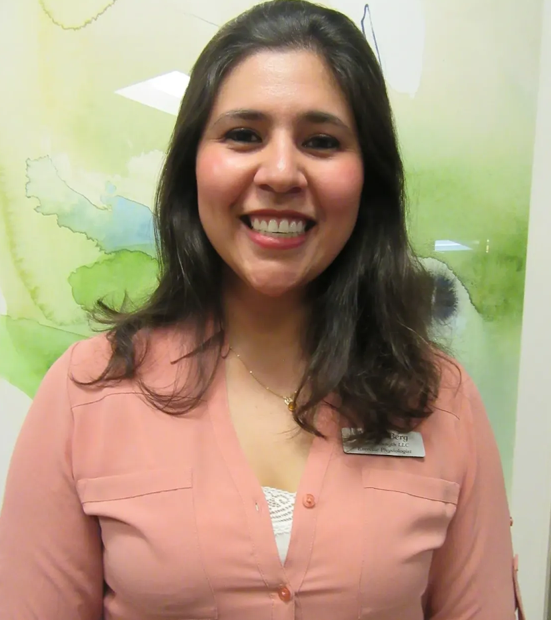
Alyssa Berg works with clients to help them achieve exercise goals while also recognizing their limitations.
“That’s where I had the opportunity to work with individuals recovering from spinal cord injuries and traumatic brain injuries,” Berg said. “It was a very rewarding experience and taught me so much about this community's resilience, their recovery, and just the impact that movement can have on a person's life. … I'm just incredibly grateful to be doing work that helps older adults, and adults just improve their strength, mobility, quality of life through exercises.”
Berg works with clients who are recovering from strokes, TBIs, Parkinson’s disease and dementia. Silver Strength allows Berg to work with patients at home, in rehabilitation centers and senior living centers.
Before a client is given an exercise routine, Berg assess each patient and designs a program around their needs and strengths.
“Before beginning an exercise program, we do review the client's medical history, their diagnosis, medications. We perform baseline assessments for strength, flexibility, balance, their functional movement,” Berg explained. “We'll also check their blood pressure, resting heart rates, and then we'll determine with the clients what their goals are, so we can develop an individualized exercise prescription to work toward those goals.”
Chronic pain and arthritis can inhibit clients with their exercises; however, Berg works on patients’ range of motion to improve joint mobility, stretching exercises to decrease muscle tightness to help clients get back into movement. She also encourages aerobic exercise via walking or riding a stationary bike to improve circulation and to release endorphins. Balance and strength training exercises are incorporate to help reduce risk of falls.
“I do believe that just simply being willing to start and just striving to be consistent is just the best prerequisite,” Berg said. “Being motivated is definitely a bonus, but not everyone is always motivated to exercise, so that's where we come in.
“We also practice goal setting,” she explained. “We believe that's very important, so we work on setting both short- and long-term goals, achievable goals, to improve clients' self-efficacy. We also discuss eating habits not so much the nutritional side, but just those late-night snacks.”
Sage Words to Keep Survivors on Track
Green said survivors should trust their selves. “You and your body know what you need. We get a lot of information. Take that information, marinate on it, digest it, and then trust that you know what you need.”
Dr. Shane Steadman stressed self-care. “I think a lot of times we can put ourselves on the backburner for others, but I think we have to definitely focus on ourselves. I think community is probably one of the best things for us. Next, I would say movement and activation and activities.”
Berg likes to tell clients to give it their best. “I always like to tell my clients just to try your best on any given day. Your best may look different from one day to the next, and that's OK. But what matters most is that you keep showing up and persevering because the more consistent you are, the more likely you are to succeed.”
