Blog

/Blog

Brain Injury Treatment Panel: Options for Health and Wellness

April 10th, 2026|Blog|

By Eliza Marie Somers

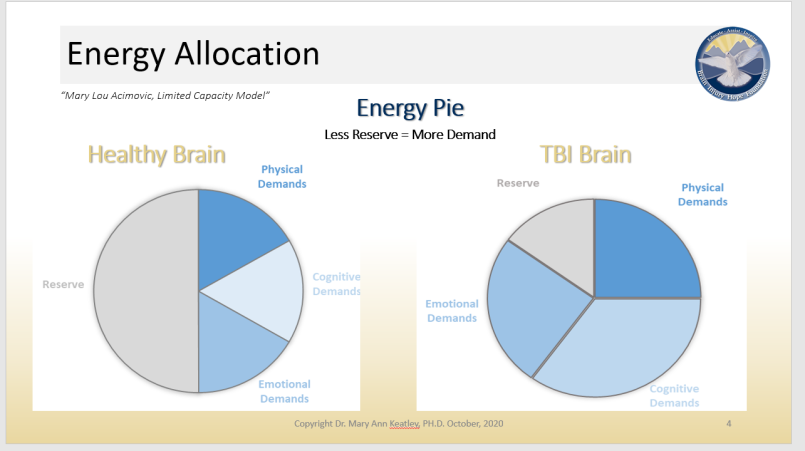
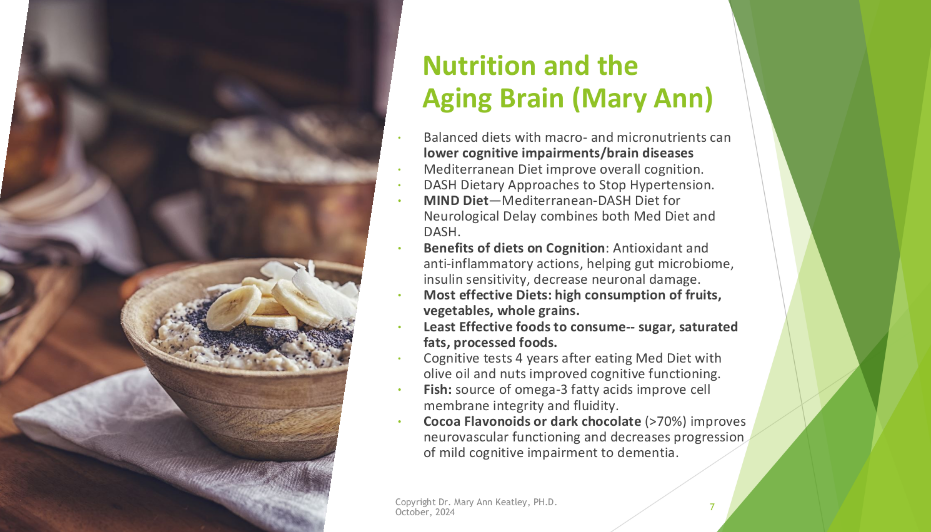
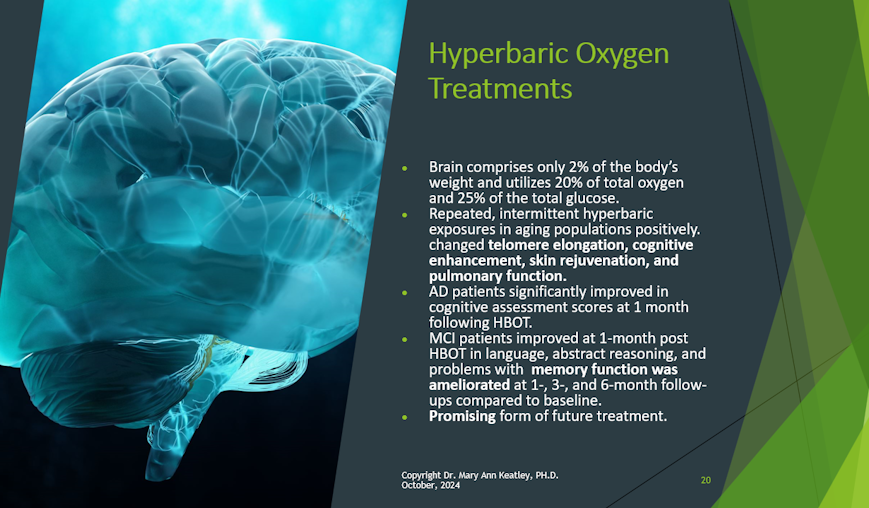
Dr. MaryAnn Keatley, a co-founder of the Brain Injury Hope Foundation, explains HBOT or hyperbaric oxygen therapy, in this graphic.

Treating a brain injury takes a team of healthcare professionals, including physical therapists, occupational therapists, speech therapists and neurologists, just to name a few. And putting together your “dream team” can be a monumental task yet an important part of recovery. 

To help brain injury survivors and their families navigate the maze of rehabilitation professionals, the Brain Injury Hope Foundation invited four specialists to its April 10, 2026, Survivor Series: Brain Injury Treatment Panel: Options for Health and Wellness.

The April 10, 2026, Panel

720-408-1400

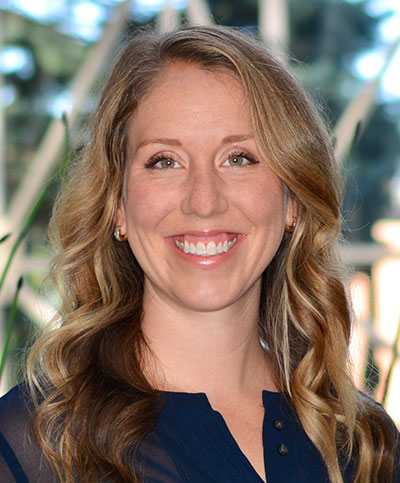
Naturopathic doctor Rachel Walker described naturopathic practitioners as healthcare providers who treat the whole person. “All the interconnectedness of all the systems,” she said. This includes but not limited to anatomy, physiology, clinical diagnosis, nutrition, lifestyle and herbal sciences. 

“We bring in different medical traditions from all over the world,” Walker said. “We're trying to use all these different tools to find what works best for the individual. And we're trying to do it with the least force intervention in a way that works with nature and works with the natural inner workings of the human body. 

“We do work alongside other providers in a complementary and also very much in the preventative side of medicine.” 

  • Naturopathic medical education includes a strong foundation in biomedical sciences—including anatomy, physiology, pathology, and clinical diagnosis—along with in-depth training in nutrition, lifestyle medicine, botanical medicine, and physical medicine, according to the Colorado Association of Naturopathic Doctors. All naturopathic doctors must be registered and license in the state of Colorado. https://dpo.colorado.gov/Naturopathy

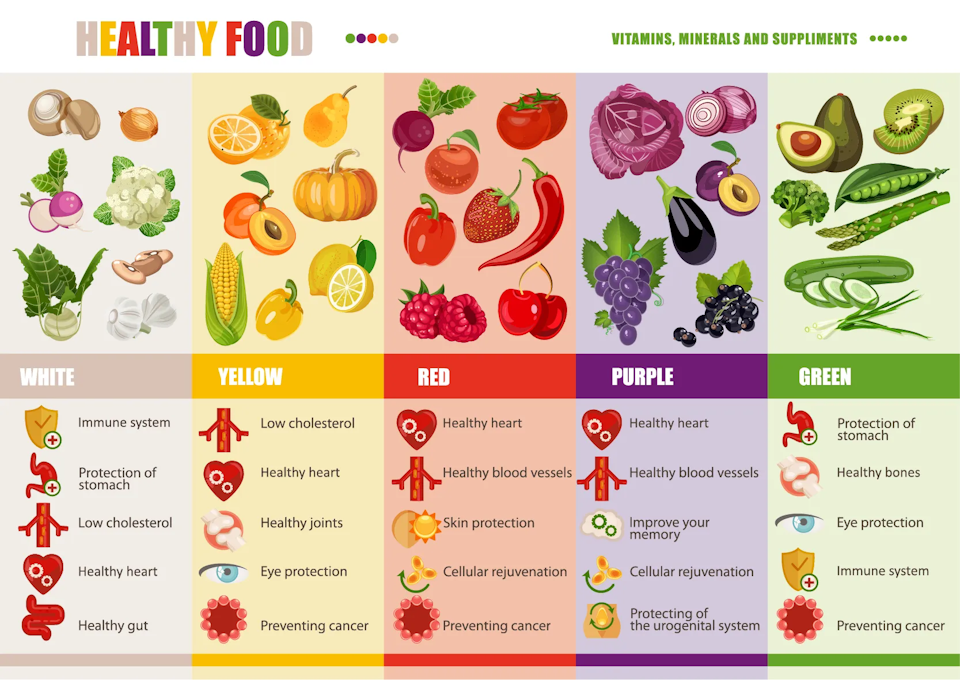
One of the major tools Walker uses in her practice is nutrition and dietary recommendations as numerous benefits can be accomplished with food. 

“There’s this connection between the gut and the brain,” she said. “There’s also the blood-brain barrier, and then there's the barrier that’s the intestinal lining, and when you have a brain injury, they're both (impacted).”

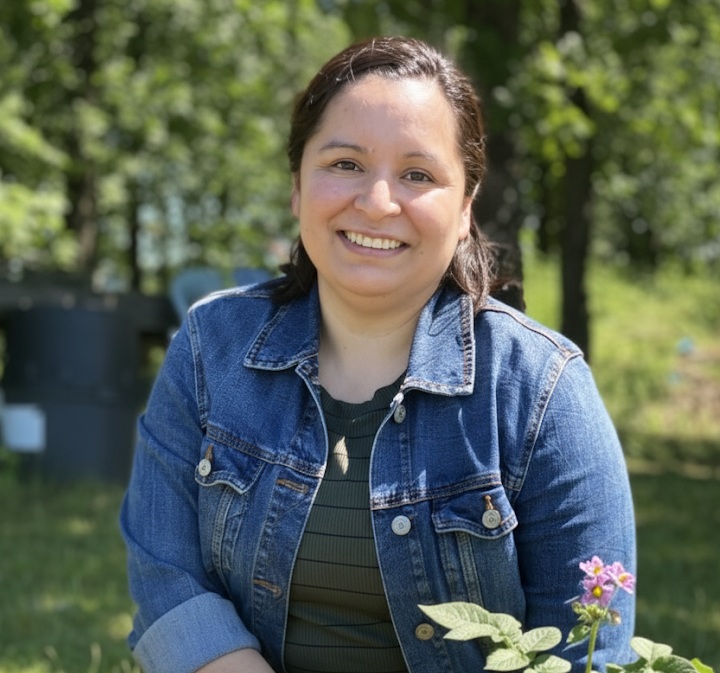
Dr. Rachel Walker practices naturopathic medicine, which encompass the body as a whole.

Walker said these barriers can be “leaky,” which can lead to numerous health problems such as fatigue, joint pain, skin rashes (eczema/acne), brain fog and chronic inflammation. 

According to Harvard Medical Publishing when the intestines are working properly, the tight barrier controls what gets absorbed into the bloodstream. An unhealthy gut lining may have large cracks or holes, allowing partially digested food, toxins and bugs to penetrate the tissues beneath it. A common initial step some practitioners take is to remove foods that can be inflammatory and could promote changes in the gut flora. Among the most common are alcohol, processed foods, certain medications, and any foods that may cause allergies or sensitivities.

“You don't want to be too strict with the diet” Walker explained. “I mean, when you're already going through all the symptoms of a head injury and brain fog or cognitive issues, trying to stick to something that's pretty rigid is not in anyone's best interest, but we do like an anti-inflammatory diet. So really limiting processed foods, adding healthy fats … I suggest to every patient that they go on omega-3 fatty acids.”

Another supplement Walker recommends in magnesium, but not any magnesium. “Magnesium L-Threonate. The L is inconsequential. Glycinate, orotate, malate, etc. are also fine, but there is research to suggest that threonate can cross the blood brain barrier more readily,” she explained. “Magnesium citrate is generally used for GI issues, but the one side effect of magnesium you'll usually see is diarrhea, and this one would be the one to do that to you. The others can also cause looser stools.”

Staying hydrated and getting good quality sleep are essential, especially after a brain injury, Walker noted. She also wants patients to limit sugar, and recommends a glucose monitor as a TBI can cause survivors to become less sensitive to insulin.

  • More on TBI and insulin sensitivity

“I do a lot of continuous glucose monitoring with some of my patients,” she said. “It's not necessarily that you have diabetes or your A1C is up or anything like that. It's so amazing, you can get so much information. With a continuous glucose monitor, you can just slap this thing on, and for a couple weeks, it goes right to your phone, so you know exactly where your blood sugar is at. It's an amazing technology.”

“It would be so great to have one that you would just slap on your forehead, and it would tell you what your brain is doing with that glucose, but of course, we're not there yet. That's not a real thing; I made that up,” she said. 

One of the obstacles Walker faces when treating TBI survivors is the nutraceutical industry or supplement industry, which is not regulated in the United States.  

“It's just overwhelming … It's expensive. It's time consuming, and it could be interacting with your other medications. It could be very dangerous,” Walker said of patients going to the internet and adding supplements to their routine. “Don't just Google. You need to come see me first, and we'll talk you down from some of this stuff. That's very important to me. And if I do put people on nutraceuticals, I like for there to be a timeline, so it's not like, here, take this forever, and that's part of who you are now. There needs to be a reason for taking it, and a reason to discontinuing it.”

  • Consumer Labs a division of Consumer Reports tests supplements, along with posting recalls and warnings, drug interactions. https://www.consumerlab.com/

Walker stressed a team approach to treating a brain injury is essential and finding a naturopath who will work with your other providers can be beneficial to a survivor’s recovery.

“A brain injury affects the whole body. Nothing's in a vacuum. So, you will really do well to find a naturopath who can help you navigate with all these other specialists that you need to see, because, of course, it takes a team when you've got something this important on your hands,” she said.

Vision Therapy Is Not 20-20

A vision therapist is often recommended after a brain injury, and may be the missing link to your successful recovery. But what exactly is vision therapy or neuro-optometric rehabilitation?  

“We think a lot about the visual structure of the eyeball and how well we see,” Dr. Amy Elsila said. “We might be using terminology like clarity of vision and 20-20 vision, but our vision is so much more than that. The point that I really want to impart is that vision is located throughout the brain. It usually surprises folks that there are 34 different centers in our brain that are dedicated to processing visual information.

“And between those 34 centers, there’s 300 connections. … No matter the location or severity of the injury, it’s going to impact the visual system in some way.”

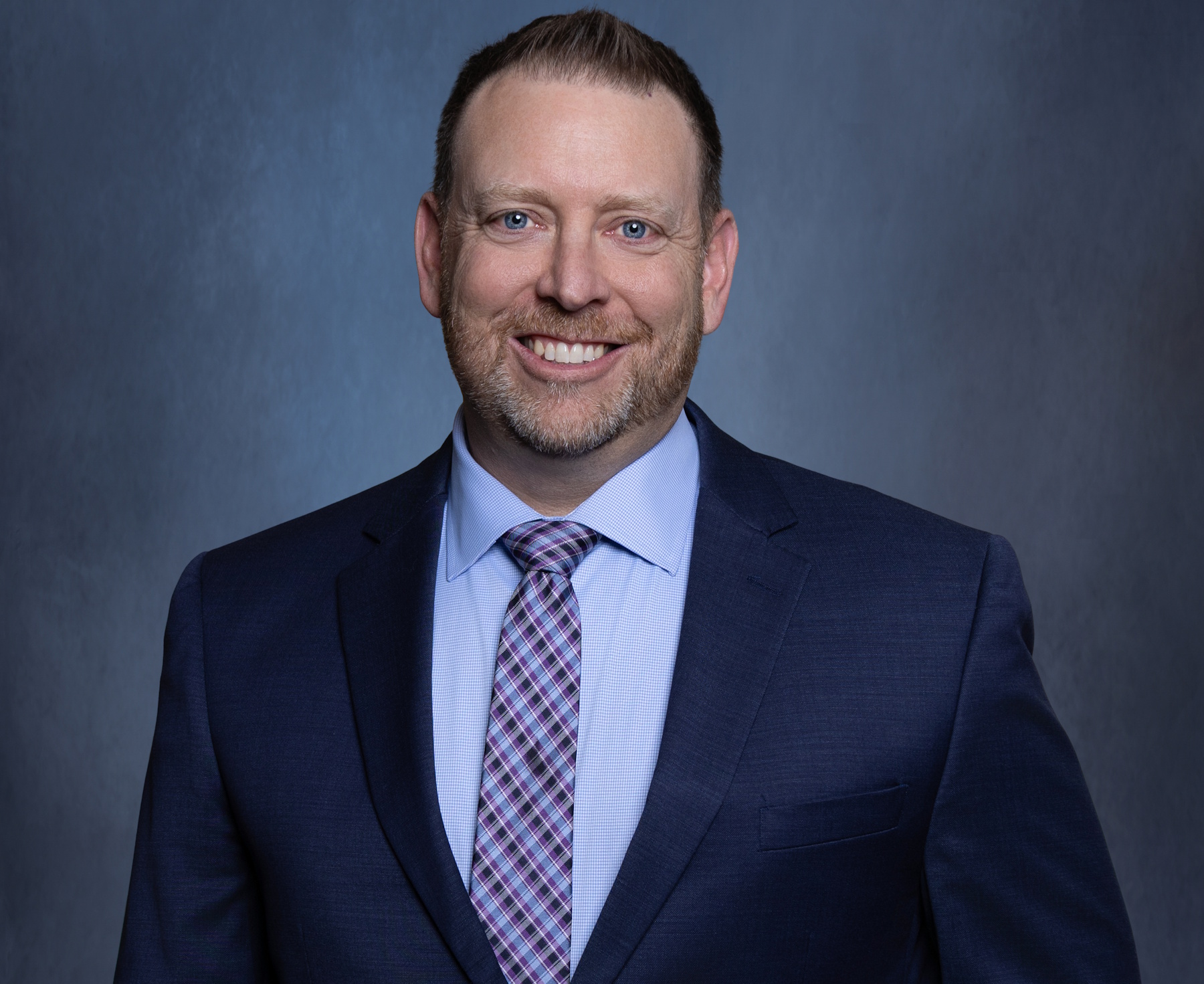
Dr. Amy Elsila is a neuro-optometrist and specializes in treating TBI survivors.

Some of the common symptoms Elsila sees in TBI survivors are:

  • Light sensitivity
  • Blurred vision
  • Eye pain/strain
  • Headaches
  • Double vision
  • Loss of field of vision 
  • Loss of depth perception 
  • Eye tracking

Eye tracking is one issue that seems to come up frequently with brain injury survivors.

“Tracking, following something in motion, like following a ball, or when you're driving a car watching another car move past,” Elsila explained. “It’s hugely important to the way that we read. So, thinking about reading a sentence across the paper, our eyes actually move in a series of jump eye movements, so imagine that sentence, jump, jump, jump to the end of the line and jump to the next. So, we're looking at tracking accuracy, and not only the accuracy, but also how the patient feels.

“Sometimes visual motion can be highly overstimulating. Nausea and dizziness are not uncommon. Patients who loved to read before their injury and now are really unable to read comfortably a few sentences, so we're looking at tracking accuracy. We're also looking at the alignment of the eyes to see if there's any misalignment that could cause double vision or visual strain.”

When the eyes don’t work together it is referred to a binocular vision dysfunction or BVD and can lead to convergence or divergence issues. 

“Looking at a cell phone or looking up close requires us to point our eyes together as a team (convergence). Looking across the room would require the eyes to move outward, divergent,” Elsila said. 

“When we have a mismatch, the brain is looking for safety, and the brain is looking for stability,” Elsila explained. “So, the brain is pretty smart. It might create an adaptation where it ignores the blurry image. We call that visual suppression. And it might become more heavily reliant on that better seeing eye.”

Some treatment options include special lenses, therapeutic prisms and therapeutic tints, along with exercises to retrain the brain-eye connection and create new pathways in the brain. 

“I think a good analogy is thinking about it like physical therapy for the visual system,” Elsila said. “So, what we’re doing is we’re retraining that eye-brain connection … it’s not typically a weak muscle that we're treating, it’s the connection and the kind of the collaboration between the two eyes that we're retraining.

“Vision is throughout the brain, and it impacts a whole lot more than just our sight or clarity of vision. … Vision therapy is also a therapy that can enhance or improve outcomes in other therapies, because the eyes are leading the body through space, that’s going to help us in our physical therapy activities. 

“Vision is our dominant sense. So, it’s certainly a great gateway into treating the brain. …. Our eyes are just an extension of our brain.” 

More on vision therapy Resources:

  • Neuro-Optometric Rehabilitation Association (NORA): noravisionrehab.org
  • Optometric Vision Development and Rehabilitation Association (OVDRA) / College of Optometrists in Vision Development (COVD): ovdra.org

HBOT and Brain Injury Recovery 

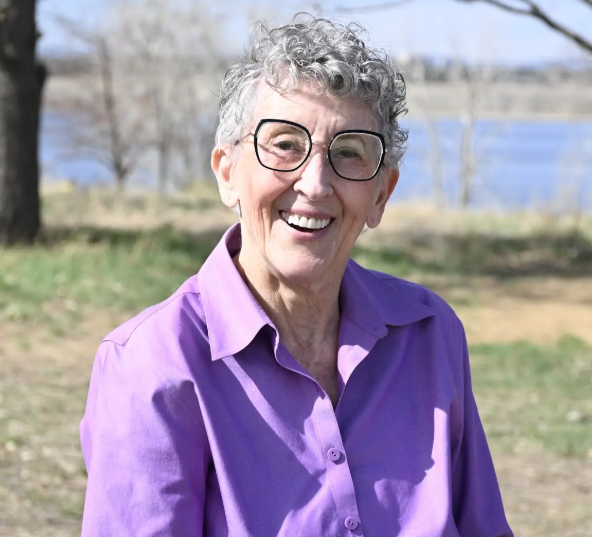
Brain injury survivor and thriver Doris Sanders is a proponent of hyperbaric oxygen therapy (HBOT), and she has found great results with the therapy, so much so she bought a chamber to use at home.

Along with helping with her concussion symptoms, Sanders said the HBOT sessions helped activate immune system and helped heal wounds.

“I recently had quite a bad sore which was infected,” Sanders said. “I used the oxygen therapy, and the doctors were amazed at how quickly I got healed. The other thing is, it helps with your immune system.”

Doris Sanders uses hyperbaric oxygen therapy (HBOT) to help with concussion issues. She also notices improvements in her immune system after a session.

A hyperbaric oxygen therapy session takes about 45-60 minutes. The client sits or reclines in a chamber while concentrated oxygen is pumped into the chamber in order to increase oxygen in the blood and tissues. HBOT was first used to treat deep sea divers who experienced decompression sickness. 

TBI survivors have experienced help with cognitive abilities, including executive function, information processing speed, attention, memory, and motor skills after a session. Meanwhile some studies have revealed widespread differences in results. https://www.health.mil/Reference-Center/Publications/2025/07/25/Hyperbaric-Oxygen-Therapy-and-TBI 

Either way, Sanders said HBOT has increased her abilities to function after suffering numerous brain injuries. As a young girl, she worked on a ranch and was kicked in the head by a horse. She also loved racing her motorcycle and jumping out of airplanes. 

“Those were the kind of activities that I really enjoyed, and so I kept having blows to the head,” she said.

HBOT can be expensive and is not covered by insurance. However, Sanders put together a list of places that offer discounts for sessions.  Here is a link to the PDF.

  • For more on HBOT 

Technology to Enhance TBI Recovery

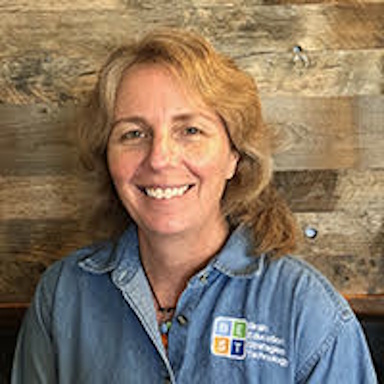
Michelle Ranae Wild, founder of BEST – Brain Education Strategies Technology, has spent more than 40 years “teaching adults living with brain injury how to deal with the challenges that they have in an educational environment.”

Wild, who has a degree in psychology, said helping TBI survivors is a passion she holds dearly.

“It’s something that I have a huge passion for, and I’m very interested in the concept of brain injury,” she explained. “I love the idea that I can always come up with more strategies and more things to try to help people with brain injuries. 

“As we know, every person with a brain injury might have similar kinds of challenges, but what works for one person doesn’t always work for another person. That’s a huge challenge for people in my profession, because it’s not one-size-fits-all.” 

Michelle Ranae Wild is CEO and founder of the nonprofit BEST – Brain Education Strategies Technology, which helps brain injury survivors with daily life challenges.

Wild said she would be “bored” if there were not challenges to helping TBI survivors. 

“I don’t get discouraged when it doesn’t work the first time or the second time because I’ve done this long enough to know that it really takes a while to find the right strategies or the right approach for each individual.”

  • For more information on BEST 
  • BESTConnections.org

Wild’s nonprofit BEST focuses on executive function challenges facing survivors. 

“Cognitive skills, I’m talking about thinking skills, organization, decision-making, and problem solving, and attention and memory. All those very standard cognitive skills, executive function skills that we talk about when we talk about brain injury,” she said, adding that she started BEST because of the financial strain people face after a brain injury.

“I understand the implication of brain injury financially. I know that many people after a brain injury deal with financial struggles,” Wild explained. “So, my goal was to really create something that would allow people to benefit, basically, from learning about the cognitive challenges they have, and to do it in an environment that they could afford and felt safe in.”

BEST offers free programs along with a paid membership program - $10 monthly or $100 yearly. The free programs include webinars and deep dive workshops, along with apps.  

“We do 24 webinars a year, the second and the fourth Saturdays of the month,” Wild said. “Some of them are cognitive in nature, some of them are behavioral.”

The Zoom webinars are also topic based, such as brain injury from the caregiver’s perspective, and how to deal with automatic negative thoughts or ANTS.  

BEST offers free apps that can help brain injury survivors navigate their day with reminders. The nonprofit is currently updating their apps and introducing a new app – StrategizeMyLife.

“App development and apps is something I’ve been interested in for about the last 15 years,” Wild explained “Before I even started BEST, I was very interested in technology and using technology with those living with brain injury. And so over the course of the last 15 years, I’ve developed quite a few different apps.

“We’re actually revamping our apps a little bit right now in order to re-release them with some of the latest technology.”

One free app BEST is currently finalizing is StrategizeMyLife, which is in beta release with an official launch in May 2026. 

Wild said that during the Survivor Series she was thinking how survivors could use her new app by adding vision therapy to their routine. 

“You could put those strategies in StrategizeMyLife,” she said. “In fact, I have a number of individuals that I've worked with over time that have vision therapy as a category. And so, when they have a flare of some issues, they go to StrategizeMyLife, and they look at those strategies, and they’re right there where they need them, and they’re able to use them.

“Same thing with fight-or-flight. If someone had fight-or-flight issues, they could enter the strategies that they know work for them when they are in that fight-or-flight state,” she explained. “It's just a common place that people can enter strategies and rate them in terms of how effective they are for that person. So, one strategy might work really well for one person, but it doesn't work for others.” 

Wild mentioned a challenge many survivors often feel is being overwhelmed by all the therapies and work they face in a lifetime of recovery, something the other panelists cited.

“Feelings of being overwhelmed, trying to do too much. A lot of people want to be able to do what they did before their injury, and that’s a huge challenge,” Wild said. “That becomes a big factor.”

Wild stressed “Scale Up Not Back” as one of her strategies to fight fatigue that comes with being overwhelmed. 

“Starting off slow and steady, and scaling up from there,” she said. “For instance, if you’re reading a book, don’t try to read the entire chapter. Maybe the entire chapter is too much for you. Read a few pages. See how that feels, and then if you have more energy and you have more time, you can always add more pages.

“My focus is really on helping people pace themselves so that they don’t end up overdoing it, and then wiping themselves out, because the negative effect of that can be several days or several hours.”

Another challenge Wild sees in TBI survivors is behavioral changes.

“I don't think it's uncommon for people’s behavior to change after a brain injury. Sometimes they just get more frustrated. They were never a person that got frustrated before, and now things just kind of frustrate them. Or they may get angry about things,” she said. 

“I get a lot of feedback from BESTies that what we do really helps guide them. It gives them a path. It serves as a guiding place for them, because we try to break things down. I try to help them identify what their particular challenges are, and then often we will spend time trying to figure out what specific things will work for them.”

Comments Off on Brain Injury Treatment Panel: Options for Health and Wellness

Legal Panel: Avenues to Pursue if a Brain Injury Survivor Has Challenging Legal Issues

March 26th, 2026|Blog|

By Eliza Marie Somers

Brain injury survivors and their families possess legal rights; however, many survivors don’t know about these rights or about resources that are available through federal and state government agencies.

To help survivors and their families, the Brain Injury Hope Foundation (BIHF) gathered a team of experts for its March 13, 2026, Survivor Series – Legal Panel: Avenues to Pursue if a Brain Injury Survivor Has Challenging Legal Issues.
Attorney Rebecca Albano, who is a BIHF board member, had her first TBI case in 2007 when it was even more difficult to prove to juries that brain injuries have serious consequences.

“There’s been a lot of mentions throughout this conference on the invisibility of the injury and the challenges associated with that,” Albano explained. “When I first litigated these cases, we could not get an insurance company to offer anything on these. It was like … it wasn't real, it was fake. It was horrible.”
“It became clear that it was an injury that was really underrepresented in terms of lawyers, who were willing to take the cases on,” Albano added. “Lawyers who were willing to give the time and the patience that it took to be the counselor part of the lawyer role. A lot of lawyers don't have the patience for it. And so over the years, it just was something that I had a lot of passion for, and I think it's just something that jurors have a lot of passion for because whenever I choose a jury and I ask, how many here have known someone or been affiliated with this injury, the entire pool raises their hand.”

However, having a jury pool that knows about TBI doesn’t mean going to trial against insurance companies is a victory in hand. Clients need to decide whether to risk going to court or taking a settlement, and they have to be aware that they will have to pay court costs if they lose, according to Colorado law.

Attorney Rebecca Albano says it’s important for clients to understand the extent of their injuries before settling with an insurance company.

“I think we in Colorado have a very good set of laws, judges, etc., to try to help folks who are injured,” Albano said. “But I also would say the system is still very difficult, especially for folks navigating a TBI. And not every case is a trial, meaning there might be risks associated with that case that I would tell the individual, ‘Hey, look, I think this is a risky case because I think the jury might not side with you, or something like that. And the reason for that is, is we are a loser-pays-cost state.”

Albano also helps her clients “navigate the systems of care. … We have been through this system so much. I can say, ‘Look, I think that you need to see your physician and outline these items, because when I'm talking with you, I'm noticing these few things.”

“We represent (clients) through the entire process in terms of the pre-litigation, meaning we're trying to work through their claim with the insurance company to try to get them compensated for lost wages and medicals, and all of those types of things. And then through trial, if that's where it leads.”

“But the main thing is, is making sure that (the client) understand the process … You know, I think that people get confused about what benefits are available, or what coverages are available. In Colorado, not everybody driving around on the road is carrying a million dollars in coverage, despite what we see on TV during daytime television.”

Almost immediately after an injury a TBI survivor may start getting phone calls and letters from insurance companies seeking information that might not be in the survivor’s best interests. An example is third party (not first party) insurance companies will ask for a medical release form, and as Albano noted this can allow an insurance company to get access to all of your medical records, for sometimes an indiscriminate period of time that they don't get under Colorado law.
“They may not have access to those full records,” Albano said. “You have to be careful in terms of phone calls, and the urgency in terms of resolving the claim. Sometimes insurance adjusters will say, ‘Oh, we're closing your claim.’ Well, they can't close your claim unless you're beyond the statute of limitation. They don't have the power to say, ‘Oh, you don't have a claim.”

Insurance companies also will try to settle claims early after an injury, and Albano cautions that the offer might look generous, but what the survivor might not realize is that you might have to pay your health insurance company back from your settlement.

“It’s also extremely important to understand the extent of your injuries,” Albano said. “You may have a long-lasting injury, and if you do sign on that line, that's it. You're out of luck. There's nothing, most of the time, that we can do for you in terms of moving forward. So, proceed with caution, take time, don't rush to any judgment in terms of how to proceed. You just need to make sure that you understand your rights.”

The legal process is not an easy task to undertake, especially after a person suffers a brain injury. It can involve a deposition, interrogatories, requests for admission and production of documents, mediation, and eventually a trial, which can range from three to 12 days. The whole process can take 12 months to up to two to three (or more) years.

“It can be an exhausting and difficult process for an injured person,” Albano said. “Especially in a complicated case. … it is incredibly hard financially, emotionally, and everything in between in terms of, of trying to survive it.”

“The best advice that I can give is to just take it one step at a time and surround yourself with supportive folks, and try to plan ahead as best you can.”

Attorney Rebecca Albano can be reached at 303-815-1592 or https://www.lawofficealbano.com

Social Security Disability Insurance

Panelist James Noel specializes in disability claims with an emphasis on Social Security disability cases.

“Social Security disability (SSDI) is an insurance program that we're all paying into,” said Noel, who has been practicing disability law for about 40 years. “I specialize in mental impairments, which is what Social Security uses a lot, or neurological impairments. They're interesting to me.”

“I'm sure we've all heard this before, you look OK. But it's really not judging a book by its cover. What we do is we look at the neurological findings, the cognitive findings, and that kind of thing in terms of whether the individual can sustain a full-time job. That's pretty much the criteria for Social Security disability.”

https://www.ssa.gov/benefits/disability/qualify.html

Attorney James Noel, who specializes in Social Security Disability Insurance, patience and persistence is needed when applying for SSDI.

Noel explained SSDI is for impairments that last a period of longer than 12 months and prevent the person from sustaining full-time employment. Supplemental Security Income is another Social Security program for the disabled, and it is a welfare needs-based program. https://www.ssa.gov/ssi/eligibility

To apply for SSDI takes a bit of supporting evidence paperwork from medical diagnosis and test results to daily activities or Activities of Daily Living, which requires filling out a 10-page Function Report. https://www.ssa.gov/forms/ssa-3373-bk.pdf

“A function report is, who does the laundry, the shopping, the cooking, the cleaning, the driving, etc. the more ADLs you do, it kind of hurts your case,” Noel explained. “So, it's often helpful to have a spouse or a friend or a relative complete a function report, and describe your difficulties in performing the activities of daily living. They need to be consistent when they're finding a disability.”

The gold standard in medical evidence in brain injury cases is neuropsychological testing, which can take up to eight hours. The test includes a comprehensive evaluation of cognitive, behavioral, and emotional functioning, designed to map brain-behavior relationships. It involves standardized tests to measure memory, attention, executive function, and language. https://www.viennapsychologicalgroup.com/what-conditions-do-neuropsychologists-evaluate/

Physical limitations also are considered for SSDI cases, and add validity to a person’s case. 

“With physical injuries, we always look at the ability to sit, stand, walk, lift, carry, push, pull. Those are the basic exertional demands of employment, according to Social Security,” Noel said. “And in order to prevail in a case, you've got to have those down pretty low, certainly below eight hours a day, five days a week, or equivalent work schedule.

“The mantra here is whether the individual can engage in full-time employment.”

Noel also noted that age is a contributing factor in accessing SSDI benefits. 

“I want to get to age, age, and age -- you know, how real estate guys say, location, location, location. The older you are, the easier it is to get disability. The two points are age 50 and age 55,” Noel explained. “Being an old guy, I know you can't teach me new tricks, and that's kind of what happens with the medical vocational guidelines. But if you get to your full retirement age (generally 66 or 67), you're already getting what Social Security can offer as disability.”

Now that a client has completed all the paperwork, it can take up to 10 months or even a few years to get enrolled in SSDI. 

“I need to caution people that they're taking about eight to 10 months to make an initial decision at the Colorado Disability Determination Services. And unfortunately, 60 percent of those cases are denials,” Noel explained. “Then you go to something called reconsideration, which is another six to eight months in the process. And if you submit new evidence, you may get a reversal and an allowance of benefits. But it's really pretty hard to get into that reconsideration. About a 20 percent chance there. And from there, you get your due process. You go on to your administrative law judge.” 

However, during the Survivor Series panel discussion news sources reported that Social Security changed its determination process by transitioning the processing of medical Continuing Disability Reviews from State Disability Determination Services to the SSDI federal processing site, Disability Case Review. From the Social Security Administration https://www.ssa.gov/news/en/advocates/2026-03-12.html  and https://content.govdelivery.com/accounts/USSSA/bulletins/40df010

  • More news concerning recent change

If you are concerned about costs to hire an attorney for your SSDI case, Noel and most SSDI attorneys take cases on a contingency bases, and attorneys get paid by fee agreement that is heavily regulated by Social Security.

“Attorneys can charge a contingent fee, 25 percent of past due benefits, and there's a $9,200 cap on the contingent fee. Clients don't need any upfront money to engage a lawyer,” Noel explained. 

Attorney James Noel can be reached at 303-761-2322 https://noel.law/ 

  • For more information on benefits for TBI survivors see a previous BIHF Survivor Series, which includes help from Ability Connection Colorado with educational opportunities and housing benefits. 

Inside a Courtroom

District Judge H. Clay Hurst, 18th District Arapahoe County, joined the BIHF Survivor Series to give TBI survivors and caretakers a glimpse inside a courtroom. Judge Hurst, who has been on the bench for almost 14 years, has been involved in family law, juvenile, probate, trusts and estates, and civil matters.

“I deal with guardianships, conservatorships, all of the mental health cases in the district that I work in. I do trust in estates,” Judge Hurst said.

“In Colorado, a guardianship is, after being proven by clear and convincing evidence, the court can appoint a guardian to take over the decision-making and responsibilities for someone incapacitated,” Judge Hurst explained. “That means a person unable to effectively receive or evaluate information, or both. Or they may not be able to communicate what they want or need to the extent that it impacts their physical health, safety, and welfare.”

“It's a little bit higher standard to be a guardian than it is a conservator. A conservator is focused on how to manage people's money, and to make sure they're not taken advantage of, or they're not wasting or dissipating what they have earned.”

District Court Judge H. Clay Hurst works with guardianships and conservatorships.

The judge gave an example of a person who worked all their life and after a serious accident the person is unable to evaluate the things that go into running an estate, such as paying bills on time, and they're susceptible to being taken advantage of by family, friends or neighbors or even on social media.

Judge Hurst said he evaluates cases by talking with family members and gauging medical records, especially if a family comes to court without attorney representation. 

“What I've learned is the ability to analyze the neuropsych testing, the information that's provided by court personnel that go out to visit, by looking at doctor letters, and then just having a general discussion with the people,” he said. “Oftentimes, I'll ask the party that's at issue questions to see how they're able to recall, how long it takes for them to make a decision, or answer a question. So, that's sort of the way I've been able to modify what I hear instead of just sitting on the bench and saying prove it to me or not. I'm willing to kind of work around that and get to what I need to find out so I can get them an order, if at all possible.” 

Dealing with TBI survivors brings a different dimension to a courtroom decision. 

“When you have somebody with a traumatic brain injury, or somebody that meets the definition of incapacitated, they often don't understand why it's happening, or that they need to have assistance,” Judge Hurst said. “In fact, I'm sure many folks that are observing or involved in this area can appreciate how somebody becomes angry because they were functioning before, and now they can't. We see that a lot with dementia people, where they start to lose their memory, and they get angry at times. … The goal is to make sure they're OK and safe and protected.” 

In Colorado, when a case is filed a court visitor is appointed who’s trained to interview people, look at their homes, talk with family and write a report for the court. 

“Another tool that's available is I can appoint a guardian ad litem. That is an attorney that is specialized in focusing on people's best interest,” Judge Hurst said. “And they are able to get all the medical records and talk to family. And maybe, come to a clearer understanding about what is in the party's best interest. We also provide them court-appointed counsel if they don't understand or want to contest the matter, or frankly, are just frustrated.”

Colorado established the Adult Protection Services program in 1983, and one of its missions is to improve the health, safety, and welfare of at-risk adult experiencing mistreatment or self-neglect. https://cdhs.colorado.gov/aps

“(APS) will provide assistance. They will give you stipends, if you're struggling. You just have to be willing to go in and ask for it. I know sometimes that can be humiliating and difficult, right?” Judge Hurst said. 

Deciding these court cases that involve family dynamics can be difficult at best. 

“You know, I think you've got to be supportive of everybody,” Judge Hurst said. “It’s difficult when you're going against a family member who doesn't understand why they need help.” 

Establishing Laws to help People with Disabilities

Meghan Baker, a senior staff attorney with Disability Law Colorado, also joined the Survivor Series to give an overview of mental health treatment in jails and prisons, nursing homes and psych hospitals, and how the law firm is helping to get state laws passed.  

“I do a sort of a variety of things,” Baker explained. “Most of my work has centered on helping people that are in facilities. I also play a role in several of our lawsuits. … I do a variety of things, from individual advocacy, systemic advocacy, legislation, so working on drafting and passing bills, working on policy changes, serving on task forces.”

Attorney Meghan Baker works for Disability Law Colorado, which helped get Colorado’s “Olmstead” bill passed last year.

As a small organization, Disability Law Colorado currently is focusing on legislation to help people with disabilities, and the law firm helped get the Colorado Olmsted bill passed last year.

The bill codified the U.S. Supreme Court’s 1999 “Olmstead” decision into Colorado state law. The Supreme Court’s decision basically states that keeping a person in a long-term care facility counts as discrimination under the Americans with Disabilities Act, and that people with disabilities have a right to live at home and receive care. 

“We now have a state law that states the same thing,” Baker said “We've also been involved in Department of Justice complaints about people being warehoused in nursing homes. That one has now turned into a DOJ investigation about the state not transitioning people out of nursing facilities.”

Working with the TBI community, Baker has seen how survivors are often undiagnosed, which can lead to a person unable to follow the law. 

“I think one thing that a lot of people really don't appreciate about brain injuries is how individualized they are, and how we're talking about invisible disabilities and they’re often undiagnosed,” Baker said. “I've read a lot of statistics, and in the criminal justice system, something like 60 percent of people in prisons, they think have undiagnosed brain injuries.

“It impacts people as far as how they may struggle with some of the skills necessary to follow the laws at all times. … It can be a struggle for people in a lot of the settings in which we put people in these systems. You're expected to sort of follow very strict rules, schedules and regimens, and so there's not always a lot of awareness or accommodation of people who need help, or just need it to be approached differently.

“That adds a challenge of having to figure out how to navigate the services, and where do you fit, and what services do you need. Dealing with things like being told you need to go to a psychiatric hospital, that's not in line with what your treatment needs are.”

Baker has seen some positive changes in Colorado’s justice system with regards to helping people with disabilities get the treatment they need, 

“I think there are changes as far as a better appreciation of the differences between disabilities and not treating people all the same or having a single expectation of what an intellectual disability looks like or what a brain injury looks like.”

“But also, seeing the cross-disability issues of people don't always also fit in boxes and also, you don't have to necessarily know which box someone is in to treat them with respect and give them the accommodations that they need.”

Comments Off on Legal Panel: Avenues to Pursue if a Brain Injury Survivor Has Challenging Legal Issues

Using the Creative Process to Heal: Finding Your Own Joy

February 13th, 2026|Blog|

By Sue Fody

Creativity is the use of imagination or original ideas in the production of creative work. Creativity promotes healing, and three artists share their very different journeys of recovery. Our three panelists use their inventive nature to help heal themselves and were here to share their artistry and resilience with others. Although they’ve all lost so much, they have all discovered they have gained so much and realize their common threads are connectivity and finding joy in the process.

Heidi Snyder, botanical and nature artist specializing in colored pencil. (Website under construction.)

Heidi Snyder is living with an acquired brain injury after three strokes took away her abilities to focus on details and reach her vision of perfection when creating scientific illustrations. In her new reality, time has taught her to “retool and rethink.”

First attempts at drawing after her third stroke were scary, because art was part of her identity. To her relief, she found she could still draw! However, Heidi now knows her colored pencil drawings don’t have to be absolutely perfect to still be good. She now realizes that she notices more detail than she ever cared about before her strokes. In reference to her drawing of a ram, she wanted to show the “specimen of the animal as well as the very unique geometric design that goes around the horn”. When asked whether she would have seen this before her strokes, Heidi indicates “No, I wouldn’t have cared.”

Heidi says, “I’m having a wonderful time having a new outlook, using colors differently…” and realizes that if I don’t get all the details right it’s still work I enjoy. Heidi acknowledges that although she can no longer drive and go places, she can still draw. That brings her joy!

Heidi’s daughter Konnie was in this webinar chat and added “…post-stroke she (my mom) sees more connections - and hope in the world around her. In turn, her brain injury journey has inspired her to share that newfound hope”.

Jena Taylor, author, speaker and creator, known for her work in resilience training. (www.resiliencebrilliance.co)

Jena Taylor also reclaimed her life by rebuilding her brain through creation. She says, “I didn’t just survive, I rose.” Jena survived a near death experience, a brain injury, and heartbreaking personal loss. She lost the ability to write, walk, talk, and suffered from almost complete short term memory loss.

As a writer, one of Jena’s fears was that her injury would cause her to lose that ability. Her strong mindset pushed her to “just go in and do it.” She was able to complete job projects and went on (because she needed to prove to herself that she could) to finish a book she had started to write and then wrote several more books. Jena says, “as a brain injury survivor, when you do something monumental, it’s amazing! It just feels like you’ve got a little bit more power, a little more self-control, and a little bit more belief that we can do more things.”

Another creative outlet for Jena is baking. As a brain injury survivor, following a recipe requires intense focus, good notes and a precise process – which is really good brain therapy. Baking instills joy. Jena says, “This isn’t just baking. This is the brain building neural-pathways.”

Community puzzling with 300 – piece puzzle sets is a brain building activity. Jena enters timed competitions to complete puzzles, which force her brain to develop different neural connections. Puzzling is also cognitive stamina training that forces her to focus and regulate her emotions. And that’s not all! Jena loves to journal (it gets rid of negative feelings) and produces podcasts (focused on overcoming her brain injury) called Resilience Brilliance.

Jena’s message of hope for other survivors is to not lose sight of your goals, no matter how long it takes to heal. Once she got well enough to function, her choice and determination was to keep getting stronger. Brain injury is an invisible injury. Jena’s resilience has inspired her to thrive by helping others rebuild their lives.

Caroline Douglas, Figurative clay sculptor. (carolinedouglas.com)

Caroline Douglas had a near death experience. A catastrophic accident occurred when she was decorating a gym on a cherry picker ladder and the locking mechanism had not been activated. Caroline describes it like this: “It collapsed with my head between the metal ladder and the metal cage. I left my body out of the top of my head, and I was in the corner of the room watching. My head was crushed, and I fell about 15 feet to the floor.” After a long moment of bliss, she heard a voice inside her that gave her a choice to live or not. Caroline saw her son looking at her damaged body, and she chose life. What ensued was an eight-year rehab process, searching for ways to heal herself.

Caroline had always worked with clay, making functional pottery- jars, mugs and things. After the brain injury, she eventually went back to working with clay but in a whole different way than before.

Caroline started having dreams at night displaying big figures and animals that wanted to be created. She couldn’t talk or walk well, and fainted often. However, her hands knew what to do. “I felt like I was somewhat of a vessel that these images sort of poured through me with an urgency.” For example, she often dreamed of images of beautiful women with their eyes closed in a serene state. Even though she says her nervous system was fried, she became those women, and she became more serene and calm. “It was kind of a magical thing.”

Caroline’s large work

Caroline created animals from her dreams as well, and felt so connected to them. Her figures, unlike pre-injury figures, were huge – larger than life-sized. Creating them contributed to much of her healing.

“I inspire through images. I teach a lot, but mainly what I’m trying to do is help people find their own way to their own voice.” In doing so she comes up with exercises and creative writing challenges to delve deeper than just the surface of the things that people want to express.

I feel like the fire of inspiration feeds me in a way. I become satisfied at the end of making something. Even if it’s not the perfect product, the flow of making and creating feeds me, heals me, and honestly, that’s basically what healed me from my head injury.

Caroline’s numerous large pieces, which she can’t stop making, are in many galleries and museums across the country.

Caroline’s confidence in her creativity is due to showing up every day. It nourishes, heals and feeds her soul. Her art gives her something to share with others while for her it’s joyful and fun!

Our three panelists want to relay their wisdom.

Look to what brings you joy. That is where the aliveness and the magic is. Give yourself grace along your healing journey. You can’t push through a brain injury. It dictates the pace of healing.

There’s no need to worry because life works out perfectly. Focus on gratitude, joy, kinetic connectedness and accepting your imperfections. Start healing from where you are. Find something you can do, and set a goal to complete it. That will build your confidence, give your brain more practice, and rewire your neurons.
Don’t let other people tell you how or what to do, or to set limits on you. They are in a totally different place than you. Ask yourself what brings you alive? What gives you joy, satisfaction and puts you in the flow? Follow that message.

Structure restores order. Completion restores confidence. Sharing restores connection and connection is vital to resilience. We build cognitive strength just like athletes build muscle. It’s about repetition, focus, stretching and completion. If we don’t stretch, we get stiff and rigid, become lethargic. Don’t wait. Creativity is not a luxury. Find your own way to create, pick a finish line and aim to complete something. Don’t aim for perfection. Creating is cognitive therapy. Feed and nourish your soul with love and appreciation for what you’ve accomplished.

The common theme is connection, acceptance and the healing power of artistic expression.

Suggested Book References:

Start Where You Are: A Guide to Compassionate Living by Pema Chodron

Super Better: A Revolutionary Approach to getting Stronger, Happier, Braver and More Resilient-Powered by the Science of Games, by Jane McGonigal

Comments Off on Using the Creative Process to Heal: Finding Your Own Joy

Innovative Ways to Create a New Life and Positive Experiences

October 12th, 2025|Blog|

Ceramic artist Caroline Douglas with some of her artwork says creating art helped her heal from a traumatic brain injury. Visit https://www.carolinedouglas.com to see more of Caroline Douglas’ art.

By Eliza Marie Somers

Being vulnerable is scary, however, it might be the magic sauce that helps brain injury survivors in their pursuit of new and successful possibilities.

During the October 10, 2025, Survivor Series: Innovative Ways to Create a New Life and Positive Experiences, the panelists related how they stepped out of their comfort zones to tackle the maze of therapies and create a successful life after traumatic brain injuries.

Vulnerability in a person is the state of being open and honest about their emotions, thoughts, and needs, often despite a fear of rejection, judgment, or misunderstanding.

In 2017 TBI survivor and panelist Jena Taylor suffered a “whopper” of a brain injury that sidelined her life as she had to learn how to walk and talk again. At the time of her injury, she was living alone and needed help with her recovery. She experienced how vulnerable she was when she called her mother to enlist her help. However, Taylor did not find support from her mother.

“It was devastating,” Taylor said. “I made a phone call to my mom, who lived in Arizona. I was living in Denver at the time. And I told her about my accident, about my status, and that I couldn't do anything for myself, and could she please come and help me. And the answer was, ‘No. I couldn't possibly leave my life, just because you're having a crisis.’ And that was very, very difficult. It was extremely painful, and it was shocking.

“And then she kept calling, and my neurologist kept saying, ‘Stress is your biggest enemy with recovery. Eliminate any and all stress.’ And I kept warning my mom that if she was going to continue to contribute to my stress, which was a detriment to my recovery, then she couldn't be in my life. And as hard as that was for me, I did say it. I did stick to it. And my mom and I didn't speak for three years. No communication whatsoever.”

Fast forward to today, and Taylor and her mom are on speaking terms.

“We made peace,” she said. “It’s a part of my life that was very painful.”

Taylor is not alone in finding stress in relationships after a TBI, as friends and family members may not understand the “hidden” symptoms of TBI and they may be unsure how to help so they drift away, leaving survivors to fend for themselves.

Jena Taylor says she relied on her resiliency and her day-to-day dedication to therapy to heal from a TBI.

Taylor found help from her friends and the Brain Injury Hope Foundation team.

“I had a village helping me; a really excellent care team, and the Brain Injury Hope Foundation. (BIHF vice president Joanne Cohen) was the first person that really kind of gave me some hope. … that really catapulted me into this position of thriving.”

Taylor’s mindset was that her recovery was a full-time job as she navigated her way through numerous therapies, including physical therapy, cognitive therapy, vision therapy, vestibular therapy and occupational therapy to name a few.

“How did I rebuild my life? I did it day by day,” Taylor explained. “A series of small events, or, like in the very beginning stages of my injury I was inundated with therapies. … My recovery was a full-time job. I was committed to it like it was my full-time job. I made a decision early that I was going to give it a full year. I would go into debt; I would spend as much money as I had to, and after the end of the year, I was going to decide and evaluate: Can I do what I did before? If not, what can I do? Because living like that wasn't going to work for me.

“It wasn’t even the end of the year and I was back on track. I was making six figures, and I was writing copy for IBM Watson Health. So, I had a dramatic recovery. It didn't seem like it at first, because it was so slow, it was so slow. And I just focused on every therapy, and like I said, I did it like my life depended on it.”

Taylor’s dedication and a workman-like approach to her therapies catapulted her recovery. However, it was her resilience that she cultivated from numerous events such as her apartment flooding twice, an abusive relationship and her service dog dying right before hip surgery, that put the icing on top of her recovery cake.

“A lot of these things happened, and I would take it back to ‘I am resilient. If I can survive this, I can survive that.’ I just kept digging deeper and deeper and deeper. Everyone around me was like, ‘How in the hell can you do this? How are you still smiling? Why are you joyful? Why aren't you curled up in a corner somewhere just giving up on life?’ And I just said, ‘That's not an option for me. You know, I'm resilient.’ I took this resilience and I have actually switched gears; I'm still a marketing strategist, I'll always be a salesperson, but I'm also a resilience strategist, and I've launched an entire new brand under my Word Tailor company, and it's to help people build that resiliency muscle.”

Resilience: the capacity to withstand or to recover quickly from difficulties.

Taylor’s new venture – Resilience Brilliance https://www.resiliencebrilliance.co/ – helps people build “that resiliency muscle.”

“Life is turbulent. Life is messy. It's hard. So, I teach people these tools that I've learned through my study and my own experience to be able to tap into those skills and build that resilience muscle so that we can handle and cope with these things that life gives us. … We have to flex that resilience muscle all the time.”

So how do you flex the resiliency muscle?

“Despite our limitations, if we do work on things daily, in small bits, then we become stronger, and our situation improves. …There is no cap on our resilience, and learning to grow.”

Healing Through the Arts

Artist Caroline Douglas became vulnerable when she decided to come back after a near death experience after her brain injury. While helping her daughter decorate a gym for her 8th grade graduation, Douglas was on a cherry-picker extension ladder when it gave way and crushed her skull.

“It collapsed onto my head… my head was between the cage and the ladder… and I had a moment of OK; I need to be really aware; this is a very important moment. Time slowed down. And as the thing started falling over, I --this may sound kind of funny -- but I left my body,” Douglas explained. “I went to the corner of the room, and I was watching down from the corner as my head was crushed and my body fell. So, I took this extremely long moment where I felt like everything is totally fine. There is nothing to worry about, the world works itself out, everything is perfect. And I was surrounded by white light. I didn't see a tunnel, but it just was, like, bliss. It was very blissful. …

“So, in this state, I was looking down at that body, and blood was all over the floor, and I heard a voice inside my head say, ‘You have a choice.’ And I took another long moment, and I looked at that body and thought, I'm not so sure. But, as soon as I sort of panned the room, and I saw my son, who was 9 years old at the time. He was holding his lunchbox, and he was staring at my body. And so, I said, I really want to stay for him.”

After more than two years of numerous therapy sessions and still having difficulty with sleeping and speaking, one of her doctors encouraged Douglas, who has a degree in ceramic arts, to start creating art again.

“At that point, I think I had two frozen shoulders and a broken hand, and my husband would put the clay out on the table, and I would just make these things. … After I was able to sleep through the night, I started having dreams of these pieces that wanted to be made with urgency.

“And in the making of these clay pieces is where my brain started coming back, and I could tell I was getting better.”

Douglas’ art pieces reflected her recovery. In “Babbel” Douglas said the letters above her head resembled the fact that she could not form letters into words.
“Working with the clay gave me time alone in the quiet space,” she said. “Motor skills were able to come back as I did this.”

Douglas described one of her works that she saw in a dream that depicted an elephant head and she is under the head. “The reason that dream came to me was because whenever I would try to go to the grocery store, I would be overwhelmed with the lights and the people talking to me, and I would faint, so I felt like I had to become bigger than I thought I was instead of shrinking. I can take up some space here.

“In the making of these pieces, I felt healed. I felt I was in flow,” she said. “My brain was relaxed. My hands were working; there was some vessel channeling thing happening.

“Most of the time that I wasn't working in clay, I was so anxious. I was a nervous wreck. But when I worked with clay, it made it safe for me to come into my body. And I made all of these women with their eyes shut, with these extremely serene. expressions. As I made them, I became them. ... I feel like that was a huge part of my healing.

“It's kind of like a magical thing that happens with me and clay, and I think it can for a lot of people.”

A big part of Douglas’ recovery was her family. “My family was so, so supportive. Honestly, I felt like I was surrounded by angels,” she said. “I felt like I had to re-meet my friends, because I just couldn't show up for them, but my family was there for me.”

Douglas’ psychic abilities started when she was younger, and were further enhanced after her TBI.

“I felt one foot in this world, one foot in that world, and the dreams at night. … The finished piece would show itself on a lazy Susan in the round, and I would see all sides of it. And I would wake up, and I would just get the clay, and start making.”

Douglas said she went to school to learn how to deal with her psychic abilities and learned “how to ground and take care of my energy more, and then I started teaching energy tools for people with head injuries. After that, I started showing my work and teaching about creativity as a healing tool. … I was asked to travel all around the world, Morocco, Mexico, Latvia, all over teaching people how to find their own joy and creativity. And it could be in any medium, but mine just happens to be clay.”

Use the Brain to Heal the Brain

Physical therapist Mary Pavlantos dedicated her life to helping brain injury survivors after her father suffered a TBI in a rollover accident when she was in high school. The resulting injury caused her father to lose the family business and the family home.

“We lost everything, so I was left figure out life on my own at 18, and so I just dedicated my career to helping people with brain injuries,” Pavlantos said.

Physical therapist Mary Pavlantos is healing alongside her patients as she recovers from a brain injury due to COVID-19. Her company is Roots Physical Therapy and Wellness https://www.rootsptandwellnessco.com.

After receiving a Doctor of Physical Therapy degree and a Bachelor of Science degree in Kinesiology and Leisure Science Pavlantos worked at Craig Hospital treating brain injury survivors. 

But her career was put on hold in 2021 after she almost died of COVID-19 and has since suffered from long haul COVID in which the virus attacked her brain and nervous system causing encephalomalacia and organ failure.

“It's been a journey dealing with the brain injury and all the organ failure issues because of this virus, but I'm determined to get better. I'm a single mom, I'm a business owner, I just could relate so much to Jena’s story of being alone and figuring this out. … So, I better rally in the troops here and figure out how to get better.”

Pavlantos experienced the loneliness of losing friends when she needed them the most.

“A lot of my friends ran in the other direction, which I'm sure a lot of you can relate to,” she said. “You just figure out who those people are that are going to pull together to have your back and see you for your true self … despite having all these weird symptoms happening to your body.”

Pavlantos is still rebuilding her life after just recently having another hospital stay in the summer and continuing numerous therapy sessions, including biofeedback. 

“My biggest motto is use the brain to heal the brain,” she said. “And sleep is obviously a huge component. I use the charging the phone analogy, and too many apps are running, and we got to close some apps, and take brain breaks.”

Pavlantos said she has seen the miracle of brain neuroplasticity in her work as a therapist. She related a story of a young patient who was violent after a TBI and within three months of working with him he gave her a big hug and a scarf and gloves.

“He said ‘Dr. Mary, thank you for helping me heal my brain.’ And that was the moment I was like, oh my God, neuroplasticity is no joke.”

Thus using the brain to heal the brain.

“I usually explain neuroplasticity like a traffic jam, or a disconnect in the neurons, and they're just not connecting. Those brain farts, if you will. You're just re-patterning by practice to reconnect those networks, and sometimes they just don't reconnect. That's when you have to adapt and use reminders, calendars, and sticky notes. You got to use your tools. Very often, if you repeat and practice, a new neuron network will connect and recreate that pathway that got injured.”

After her brain injury Pavlantos said she has changed her approach to physical therapy when working with patients. 

“I'm just not so pushy on the home exercise program,” she said. “if you get to it for less than three minutes, go ahead and try before you go to bed, and then just go to sleep. … If you have trouble focusing near and far, then do that three to five times as your exercise, or if you get dizzy when you turn a corner, stop, take a deep breath, and go repeat that same thing three to five times. So, I just integrate more functional retraining into life.”

“It's been very interesting, because healing alongside my patients has been a totally different experience, and it's just shown me so much more that I didn't see before, because it was so black and white … now the level of empathy is just completely different.” 

Pavlantos leaned on her faith to help her through her recovery. 

“My biggest tools in my darkest days were my faith in a higher power. I call it God, call it whatever you want, but the environment, nature, trees, the sun, the birds,  using Mother Nature and Earth,” she said “Just trying to find as much happiness and peace where you can, and things that give you that. And absolutely taking out all of the toxins like, sugar, alcohol and toxic people. It really will allow you so much more peace and comfort and tranquility if you can get rid of those toxic relationships and substances. … Find your healthy tools.” 

Final Thoughts and Useful Articles 

Mary Pavlantos: One patient told me if you have one foot in the future and one foot in the past, you're pissing on the present. So, I would say live in the now. 

Brain Injury Recovery Guide by Mary Pavlantos. 

Jena Taylor: Stay the course. Reframe adversity, because it fuels your growth. No matter what life throws your way. Mindset is so important as we go through anything in life, and healing from a traumatic brain injury is traumatic.

Caroline Douglas: Find what delights you and follow that. Trust yourself. Trust your spiritual self, trust your physical self, and show up for what brings you joy.

Comments Off on Innovative Ways to Create a New Life and Positive Experiences

The Art of Neuro-Anatomy: The Marriage of Art, Science and the Brain.

September 12th, 2025|Blog|

Artist Katie Caron created artwork while recovering from a horrific accident. Courtesy of Katie Caron’s website

By Eliza Marie Somers

Finding a creative outlet while recovering from a traumatic brain injury might just be the therapy you are missing. After suffering a horrific accident when a wall fell on her, artist Katie Caron relied on her creativity to help her through a long and painful recovery.

“I was on a lot of pain medication that didn’t allow me to read, but I could be creative, and it really opened up a side of myself that I hadn’t really experienced before,” Caron said during the Sept. 12, 2025, Brain Injury Hope Foundation’s Survivor Series: The Art of Neuro-Anatomy: The Marriage of Art, Science and the Brain.

“This was a very therapeutic process for me, but I didn’t know it at the time,” Caron revealed.

While recovering in a nursing home, Caron, who had just received her master’s degree in fine arts, began taking out her frustrations in her art.

“I couldn't move. I couldn't be free. And so, I kind of took the anger out on the paper. I squeezed the paper, and I opened it up again and saw all the kind of wrinkles that it made. And the wrinkles looked and felt sort of like that injury like that point of contact, that point where the wall broke me. … I ended up probably doing maybe 40 drawings while I was in there.”

Caron moved back to Colorado to be with family while continuing her therapy. She also  started teaching at the Rocky Mountain College of Art and Design. While rehabbing and teaching she exhibited her drawings called “Mending” at the college.

“I was using art to mend myself, my brain and my body,” she said.

Her experience with a traumatic brain injury also created a desire  to understand the brain and resulted in her creating the “Neuron Forest” sculpture. Along with the large project, Caron teamed up with neuroscientist Dr. Maureen Stabio, an associate professor in the Department of Cell and Developmental Biology at the University of Colorado School of Medicine. Dr. Stabio directs the Modern Human Anatomy Program , a master’s degree program that blends anatomy with 3D visualization and medicine.

For more on the Neuron Forest and the process of making the artwork
https://www.thirdduneproductions.com/cu-anschutz-katie-caron

“When I met Katie, I was so excited because she said, ‘Hey, I want to get people excited about the wonder and beauty of science and nature. Do you want to be a part of this?’ And I'm like, ‘Yes. This is what I try to do in the classroom,’” Stabio said in a video presentation about the Neuron Forest. “The partnership between an artist and a scientist is a win-win, and, in fact, some of the earliest neuroscientists were passionate artists. An example is Santiago Ramon y Cajal, who's considered the father of neuroscience.”

Santiago Ramon y Cajal received the Nobel Prize in Physiology and Medicine in 1906. His drawings of brain cells and neurons are still in use today.

“We both want to understand how the world works,” Caron said. “I feel like the artist is investigating it through maybe more of an intuitive and a psychological point of view, and the scientist is investigating it through an analytical mathematical point of view. But I think we're both trying to find the same answers.”

With the Neuron Forest, artist Caron said, “I finally made that thing that caused me that sense of wonder.”

Katie Caron said creating art helped her understand her internal body structure.

Creating the sculpture enabled Caron to “have a visual experience. I feel like my understanding of why my internal body structure looks just like a tree, or looks just like electricity that connects me to the universe … These branching structures are what sort of unites everything. It's almost like an existential religion.”

Stabio explained her passion for neurons and why she has been interested in the brain cells.

“One of the reasons I love neurons so much and why they are so fascinating to me compared with all other cells of the body is that they are electrical,” Stabio explained. “So, your computer is working right now because of the electrons that are running through the wire from your wall to the computer. Neurons are also electrical, and they conduct electricity in a similar way. Instead of  carrying electrons, they're carrying ions, essentially sodium, potassium and chloride.

“So, neurons use that electricity to connect and to speak to one another, and to send messages. Your car battery is 12 volts. Your electrical outlet in your wall is 120 volts. In the nervous system, it's a hundred millivolt (a millivolt is 1/1,000 of a volt).

“And in your brain, you have 86 billion neurons, which is I think mind boggling,” Stabio continued. “Each neuron can make thousands of connections to other neurons. They're very chatty. They're very social, and they like to be connected. So, they form networks like Katie showed in her art.”

Interpreting those signals and understanding their code is the “basis of technologies that are healing people today. Like deep brain stimulations, vagal nerve stimulation … Like Elon Musk putting electrodes in the brain.”

Because the brain likes to make electrical connections it is possible to rewire the brain after a traumatic brain injury, aka neuroplasticity.

“The brain is one of the most fragile organs of the body, and it is one of the most resilient because it can change, it can learn, and it can adapt. The people who have come through brain injury are testament to that,” Stabio said.

Dr. Maureen Stabio says, the brain is one of the most fragile organs of the body, and it is one of the most resilient because it can change, it can learn, and it can adapt

“The saying that you can't teach an old dog new tricks is wrong because neuroscience has shown the brain continues to be adaptable throughout life. … The pediatric brain is incredibly resilient, and it can rewire to the other side of the brain when there's damage on one side. This is harder to do in an adult. It can still be done, but it's harder, it takes longer, and sometimes we need some support.”

Some of the “support” Stabio alluded to includes research by her colleague Dr. Cristin Welle, professor and vice chair of research for the Department of Neurosurgery at the University of Colorado School of Medicine, whose lab is exploring the frontiers of neurotechnology, including vagus nerve stimulation.

Welle and her colleagues discovered a direct link between vagus nerve stimulation and its connection to the learning centers of the brain.

“The idea of being able to move the brain into a state where it’s able to learn new things is important for any disorders that have motor or cognitive impairments,” Welle said in a report on the CU Anschutz website. “Our hope is that vagus nerve stimulation can be paired with ongoing rehabilitation in disorders for patients who are recovering from a stroke, traumatic brain injury, PTSD or a number of other conditions.”

So how can a TBI survivor create those new connections and rewire their brain?

“Practice and learning,” Stabio said. “The more you practice something the stronger the connection gets. Neurons that fire together, wire together. So, doing new things and learning new things.”

Along with learning and practicing new things, exercise is also crucial to the brain.

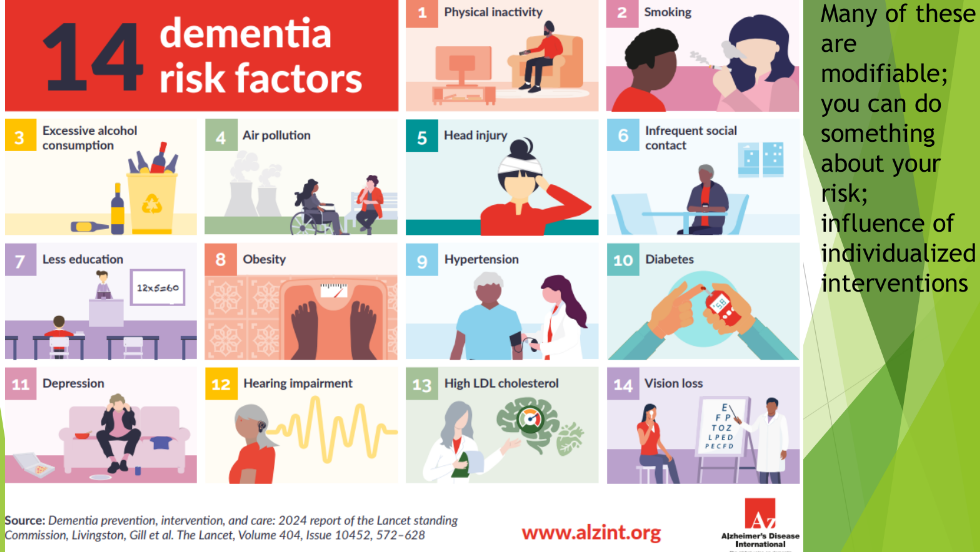
“Research shows the best thing you can do for the aging brain is cardiovascular exercise,” Stabio cited a recent study that linked reduced risk of dementia with step count. “They say, 4,000 steps a day can reduce your risk of dementia by 25 percent; 10,000 steps a day reduces your risk by 50 percent. Cardiovascular exercise, learning new things, engaging in conversation with people, keeping off the endless scrolling on the cellphone (just like we tell our teenagers), going out to dinner with friends, having conversations and being together in human interaction” all help the brain heal and create new connections.

When asked about the marriage of art, science and the brain, Stabio elaborated: “I have a soft spot for the arts, and I felt like something came alive in me when I got to work with Katie.”

“I see the divine in the human body because of its intrinsic beauty. The awe-inspiring complexity; the hidden patterns; the logic that's behind the order. For example, the fractal patterns in neurons are optimized to maximize the connectivity and minimize the energy requirement on them. We've studied their fractal geometry in the neuroscience field. And so, I have a very strong faith, and when I became a scientist, my faith grew even more because I saw this incredible wonder. … When I look in the microscope, I see the hands of a Creator. How that creative process happened and how long it took is another question for other scientists. I think everybody has their own experience with art and science, and that's been what mine is.”

Caron said: “I'm a naturalist. … And for me, it's really about the abstraction of it, and not the literal nature of it. So, I'm trying to create an abstraction and a metaphor, and an emotion in response to the body, and the nature and the connection between the two. I see myself as an abstract artist. So, for me, it's grounded in science, but also in abstraction.”

Caron finished by encouraging other TBI survivors to explore their creativity while also staying focused on what’s important in life.

“I don't want anyone to ever experience the trauma that I experience, but things happen in life, and you don't know when it's going to happen … Try  staying true to yourself -- the things that you care about and not compromising that.

“Sometimes we get caught up in money and class and status. … Don't get distracted by things  that aren't really meaningful to you. Like, as Maureen said, we all get very distracted with our phones, and we get distracted with what other people are doing … Follow what interests you and the things that you care about.”

Valuable Medical Research Through Plastination Specimens

Out of respect to brain donors and their families a portion of the September 2025 Survivor Series was not recorded when neuroscientist Dr. Maureen Stabio exhibited brain specimens.

Stabio, who was in the CU Plastination Organ Library lab, first displayed a dissection and plastination of the whole nervous system.

“You can see the brain at the top that sends the messages down the spinal cord. And then these are all of the peripheral nerves exiting the body. So that was a healthy nervous system that we created to teach students about the system as a whole, and how it's connected,” Stabio explained.

  • The plastination process replaces water and fat in biological tissues with polymers, creating dry, durable and odorless specimens for anatomical study and display. 

The associate professor in the Department of Cell and Developmental Biology at the University of Colorado School of Medicine then displayed several brains, including a donor who had Parkinson’s disease, a brain from a multiple sclerosis patient, a brain from a donor who had a benign brain tumor called a meningioma, and a brain from a stroke patient. Interesting enough Stabio did not have a specimen of an Alzheimer’s patient’s brain as it was lent out to students to study the disease.

However, Stabio showed a 3D brain model from Phineas Gage, the “father of brain injury.”

Gage, a foreman on a railroad construction crew, suffered a severe brain injury in September 1848 when an accidental explosion of a charge he set blew his tamping iron through his head. The tamping iron, which was 3-feet, 7-inches and weighed almost 14 pounds, went through his left cheek and through the top of his head, landing 25-30 yards behind him.

Gage lived until May 1860; however, he was not the same person after the injury. The friendly and likeable Gage became fitful, irreverent, and grossly profane, showing little deference for others, said Dr. John Martyn Harlow, who initially treated Gage.

Gage’s injury and his personality about-face resulted in some of the first medical knowledge gained on the relationship between personality and the brain's frontal lobe. Gage’s brain was eventually donated to Harvard University.

“The Harvard Museum of Anatomy has the CT scan of his skull,” Stabio said. “We downloaded the CT scan and 3D printed it. So, this is an exact 3D printed replica of Phineas Gage’s skull.

“And what we did was make a replica for teaching. So, he survived without all of this brain area, but they said that he was no longer Gage. Again, he had changed. And that's because the personality and decision making, and your inhibition holding you back from saying something you shouldn't say is in the frontal lobe. And that was the area that was damaged.”

Dr. Maureen Stabio started the CU Plastination Library in 2016 as a collection of brains for Brain Awareness Week. It has expanded to and it has expanded to include organs of all systems - healthy, diseased, and anomalous cases. Specimens are shared through a lending library system that has served over 9,000 students.

Comments Off on The Art of Neuro-Anatomy: The Marriage of Art, Science and the Brain.

Rewiring Your Brain Through Mindfulness, Yoga, Meditation, and Community

June 13th, 2025|Blog|

Courtesy of Love Your Brain.

By Eliza Marie Somers

Practicing yoga after a traumatic brain injury might be the last thing on the minds of many TBI survivors, although research reveals it just might be a key missing ingredient in the recovery process.

An adaptive, gentle yoga practice that combines breath work, meditation and mindfulness has been shown to be effective in improving balance, posture, cognition, sleep, memory and muscle development, along with increasing a positive mindset.

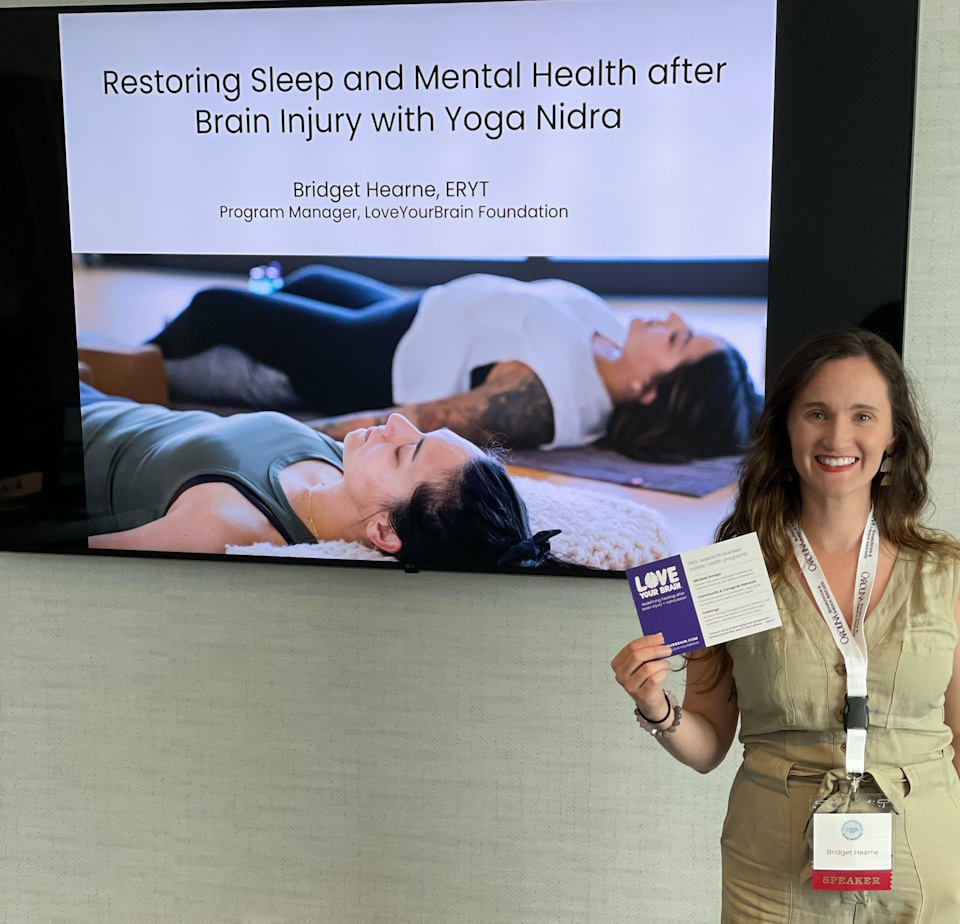
“The greatest way that yoga is different from many other forms of exercise is that it is integrated -- yoga connects the mind and the body,” said Bridget Hearne, program manager for the nonprofit Love Your Brain. “This mind, body integration is your relationship with your thoughts, your emotions and physical sensations.”

Hearne gave an interactive and enlightening presentation on the benefits of yoga, meditation and mindfulness for TBI survivors and care partners during the Brain Injury Hope Foundation’s June 13, 2025, Survivor Series: Rewiring Your Brain Through Mindfulness, Yoga, Meditation, and Community.

What is Yoga?

Many people think of yoga as just a physical practice with people holding upside-down poses or students contorting their bodies into pretzel-like poses. However, yoga also incorporates breathing exercises, mindfulness and meditations, which can include visualizations, and yoga comes in many forms, such as restorative yoga and yoga nidra.

“At Love Your Brain we really emphasize yoga’s whole practice,” Hearne said. “And the beautiful thing is anyone can practice yoga.”

Program Manager for Love Your Brain Mindset and Trainings Bridget Hearne says finding a yoga practice and teacher that meets your needs is key to recovery.

However, it is the “right” yoga practice that can be beneficial to TBI survivors.

“I like to emphasize that it's really important to find yoga practices that are adapted to your needs,” Hearne said. “If you go to a yoga class, and it is one of the more upside-down yoga classes it could cause symptoms to really be exacerbated.”

Benefits of an Integrated Yoga Practice

Yoga and mindfulness have been practiced for thousands of years because of the numerous health benefits associated with the disciplines. Now research over the past 10-20 years backs those claims.

“Yoga, meditation and mindfulness practices -- when it comes to brain injuries -- have been shown to improve cognitive fatigue and depression,” Hearne said.
She went on to list more research-backed benefits, including:

  • Lessens pain
  • Improves sleep and emotional regulation
  • Augments memory and attention
  • Boosts balance and mobility
  • Increases muscle mass
  • Increases relaxation and awareness
  • Increases physical and emotional well-being
  • Enhances resilience and quality of life

“We could spend the next three hours reading through all the research … but I would like cover just a few of the benefits, especially for a lot of the common challenges we hear in our line of work,” Hearne said.

“The first one we always hear is a decrease in anxiety and stress. … Physical relaxation is going to help decrease anxiety and stress, but yoga and mindfulness can actually directly influence our bodies’ chemistry or neurochemistry,” she said. “It promotes the release of calming hormones like gaba, melatonin and serotonin while also reducing muscular tension

“And, when it comes to depression, same thing, it directly can influence the body's neurochemistry by reducing cortisol, our stress hormone. And then releasing those things that promote relaxation and happiness and rest -- serotonin, dopamine, melatonin.”

Studies and Articles on Yoga and TBI

Rewiring the Brain through Mindfulness

Mindfulness can be described as “living in the moment without judgment,” but how can it help brain injury survivors?

“Mindfulness can interrupt negative and ruminating thought patterns,” Hearne explained. “For folks who've experienced a brain injury these negative thought patterns can become really deep and unconscious. … So, (survivors) get stuck in this sort of loop of these negative thought patterns, and this only exacerbates all those symptoms of anxiety, stress and depression.”

Courtesy of Love Your Brain

Being mindful and focusing on the present moment can stop a survivor from thinking about the past and what they have lost because of the brain injury or from thinking about the future in a negative frame. By using mindfulness, the brain can create new neuro pathways through neuroplasticity by reinforcing positive emotions and thoughts.

“Essentially your brain has a really remarkable ability to adapt and reorganize, and form new connections. You can think about it this way: each time we have a thought pattern, or each time we perform an action, and then we do it again. It only reinforces the corresponding pathways of the brain,” Hearne said.

“When we're talking about these negative thought patterns that often accompany any kind of injury, especially a brain injury, those habitual and recurring thoughts are really only being strengthened and reinforced each time you return to them. So, the power of yoga, meditation, any form of mindfulness, really, is that we can interrupt these negative thought patterns and actually rewire the brain.”

So, how do you practice mindfulness in every day activities?

“By noticing your thoughts, and not classifying them as good or bad. You're just paying attention, and you're noticing things without judgment,” Hearne said.
“Mindfulness is a skill. It's an ability that all humans have. And it's a skill that needs to be trained and deepened.”
Hearne gave an example of washing dishes – one of her least favorite chores.

“Rather than thinking about how much I don't really enjoy the task, I think about how the water is warm. It’s a neutral observation, rather than thinking about the task or planning on what I might do later. I’m just paying attention to washing dishes. … Knowing what’s present – here and now.”

Sign Up for Free Love Your Brain Resources

Courtesy of Love Your Brain

Developing A Supportive Community

Love Your Brain is the outcome of a life-changing brain injury to competitive snowboarder Kevin Pearce. Pearce was training for the Vancouver Olympics in Park City, Utah, when he crashed in the halfpipe and suffered a near fatal head injury.

“I was at the very, very top of competitive snowboarding, and then in a split second, everything was taken away from me. I'd lost my abilities. I couldn't even stand up by myself. I couldn't even eat food by myself, much less was I going to go try and snowboard. Only your brain can do that to you, only injuring your brain can change the person who you once were,” said Kevin in this short video

Kevin and Adam Pearce about Love Your Brain: https://www.youtube.com/watch?v=fNCqlO5cwFc

Kevin’s brother, Adam, quit his full-time job to help Kevin recover, and during this time Kevin discovered yoga, meditation and mindfulness were key missing therapies in his recovery. The brothers also realized that a supportive community was transformational in Kevin’s road to recovery. Thus, the formation of Love Your Brain, a nonprofit designed to improve the lives of TBI survivors by offering FREE resources, retreats and a supportive community.

Hearne said one of the most important lessons she has learned in the past several years is that yoga, meditation and mindfulness are great tools, but community is vital to recovery.

Another aspect of mindfulness is kindness or openness to not judging the situation critically.

“This is often in contrast to how we commonly approach life, where we're distracted or either hyper-focused on something that's already happened in the past or something that's coming up in the future instead of focusing on what's happening right now,” Hearne said.

Hearne also stressed that mindfulness isn’t a “quick fix to take away all your stress and difficulties, instead, it really is a form of mental training. And it teaches us how to more skillfully work” through challenges

Courtesy of Love Your Brain.

“What people are really craving is the community, and that is the special sauce of (Love Your Brain), and that is a crucial,” Hearne said. “Community is the crucial element of brain injury healing and navigating that space.

“Many people that are impacted by a brain injury lack the community. One of the common things I hear from participants who enroll in our programs is that they've never been able to even really meet anyone else with a brain injury. So, they just feel really isolated.”

How Love Your Brain Benefits One Survivor

And this is where Love Your Brain steps in, by providing several pathways to community with FREE retreats and mindset programs.

For more information and to register for any of Love Your Brain programs, visit www.LoveYourBrain.com

Comments Off on Rewiring Your Brain Through Mindfulness, Yoga, Meditation, and Community
HTML Snippets Powered By : XYZScripts.com