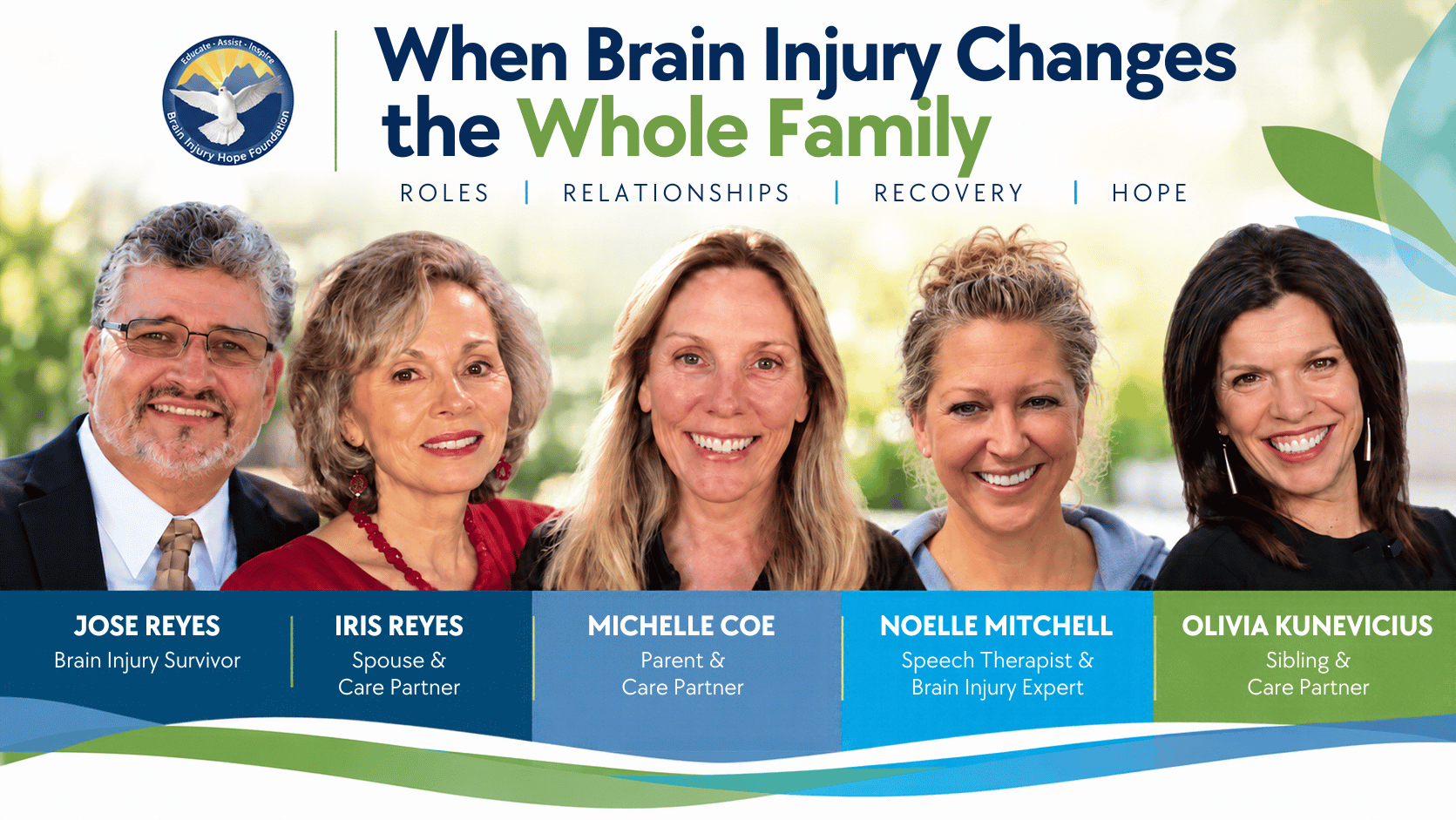
Speech therapist Noelle Mitchell offered a professional perspective on the changing needs of brain injury survivors and their families, including invisible challenges, long-term adjustment and the importance of realistic optimism.
A brain injury happens to one person, but its impact rarely stops there. It reaches into marriages, parent-child relationships, careers, finances, household responsibilities, intimacy, identity, and the everyday rhythms a family once took for granted.
That reality was at the heart of a recent Brain Injury Hope Foundation discussion exploring brain injury and family dynamics. Facilitated by Joanne Cohen, the conversation brought together brain injury survivor Jose Reyes; his wife and care partner, Iris Reyes; Michelle Coe, whose daughter Lauren sustained a severe brain injury at age 22; Olivia Kunevicius, whose late sister Jessica survived a severe anoxic brain injury following cardiac arrest; and speech therapist Noelle Mitchell.
Their experiences were different, but a common theme emerged: brain injury recovery is rarely an individual journey. Families recover, adjust, grieve, learn, and rebuild alongside the person who was injured. Sometimes the roles they once knew disappear. Sometimes relationships change. And sometimes the future looks nothing like the one anyone expected.
How Brain Injury Changes Family Dynamics
Jose Reyes sustained a traumatic brain injury in 2016. He spent three weeks in a coma, experienced significant memory loss, and continued his rehabilitation at Craig Hospital. Before his injury, Jose described himself as Type A. Afterward, Jose faced changes involving memory, emotions, communication, and his ability to focus on more than one thing at a time.
Yet Jose doesn't describe everything that came from his injury as a loss. In some ways, he considers the experience a blessing because it brought him “to earth” and changed how he experiences life. Jose became more aware of the present and developed a closer relationship with his son. During his recovery, a nurse told him that his injury would help him learn to live in the present moment. At the time, that may have been difficult to understand. Years later, Jose considers it some of the best advice he received.
His experience illustrates one of the complexities of brain injury: loss and growth can exist at the same time. People can grieve abilities that have changed while also discovering new ways of relating to life and the people they love.
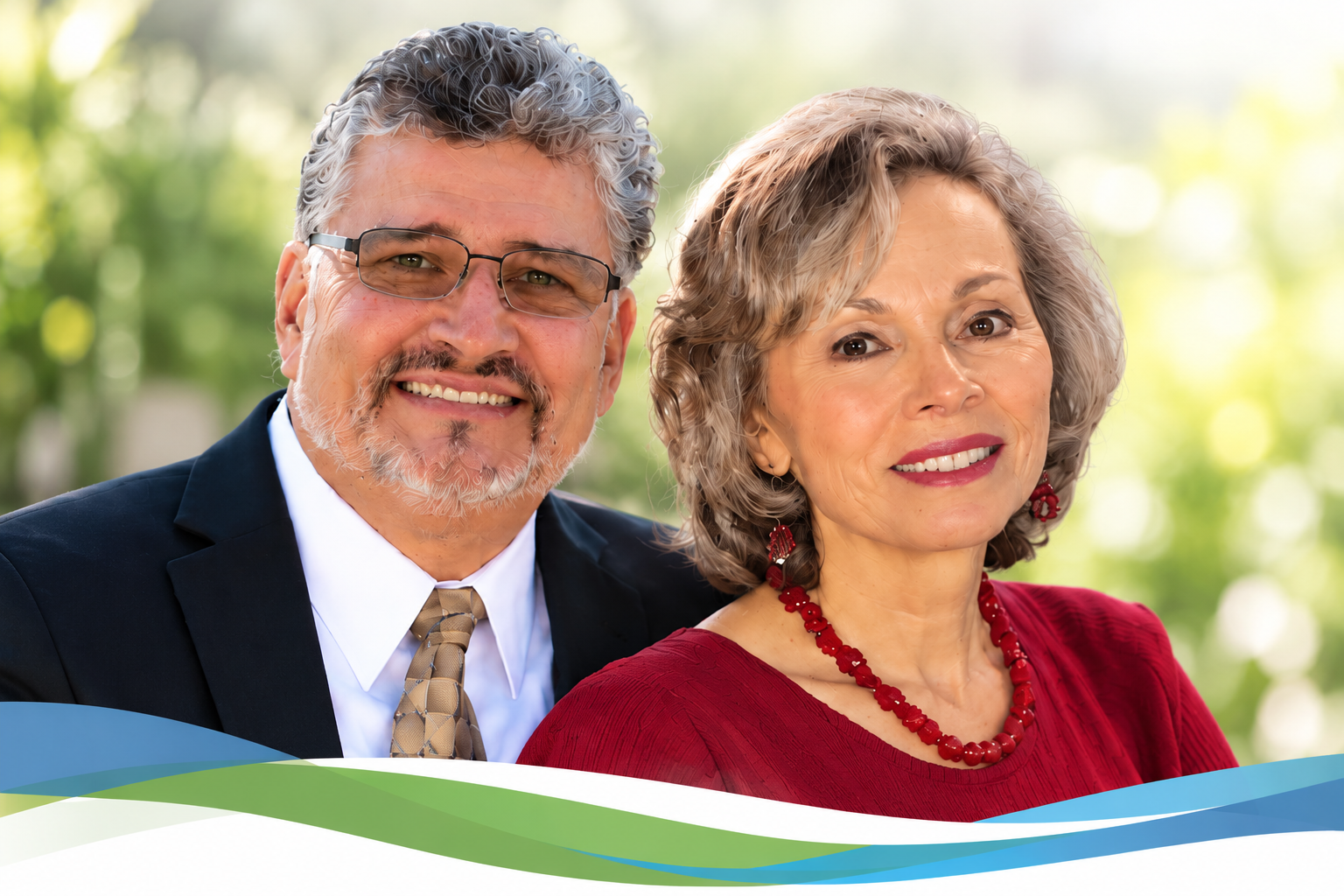
Jose and Iris Reyes experienced brain injury from two sides of the same relationship. After Jose’s 2016 traumatic brain injury, they learned to navigate changing roles, independence and a marriage that continues to evolve.
Changing Family Roles After a Brain Injury
Brain injury can rearrange family roles almost overnight. Iris Reyes experienced that shift when Jose was injured. She eventually resigned from her university position, and responsibilities that once belonged to Jose became hers. Their roles changed, their relationship changed, and Iris had to learn how to support her husband while also adjusting to a life neither of them had planned.
As Jose recovered, another challenge emerged: Iris had to learn when to step back. Supporting someone's recovery does not always mean doing more for them. Sometimes it means allowing them to do it for themselves, struggle, make decisions, and regain independence. That transition can be difficult for both the survivor and the care partner, particularly after months or years in which one person needed significant assistance.
Iris and Jose spoke candidly about how their relationship continues to evolve. Their responsibilities shifted, their intimacy changed, and they had to find a different balance. Jose acknowledged that the role reversal was difficult but necessary. At the same time, he emphasized the emotional relationship between them and the importance of relying on each other in new ways.
Their story is an important reminder that changed roles do not necessarily mean a diminished relationship. Sometimes the relationship itself must evolve.
Why Brain Injury Care Partners Need Support Too
For Iris, one of the most important lessons came early. While Jose was in intensive care, a physician encouraged her to go home, exercise, relax, and even get a massage. The message was simple: she could not remain on constant alert indefinitely without taking care of herself.
Like many brain injury care partners, Iris was trying to manage immediate needs while carrying enormous uncertainty. She learned to compartmentalize, focus on what needed attention at that moment, accepted help with meals and household tasks, and found even a few minutes to step outside into the sun.
Seek support. You’re not alone. Recharge. Don’t become depleted.
— Iris Reyes
Self-care can sound almost trivial when a loved one is facing a serious brain injury. Yet, self-care actions can be part of sustaining the entire family system. Taking care of yourself does not mean you care less about the person who was injured. Depletion doesn't make someone a better care partner.
Iris's advice to other families is straightforward: seek support, recharge, celebrate progress and small wins, and remember that you are not alone.
Brain Injury Recovery Requires a New Family Rhythm
Michelle Coe's daughter Lauren was 22 and training to become a paramedic when she sustained a severe brain injury in 2013. Lauren spent six weeks in a coma and six months hospitalized, including the final three months at Craig Hospital.
Lauren’s injury immediately changed the structure of the family. Lauren required full-time care, and Michelle and her husband learned to “divide and conquer.” Michelle handled appointments and medical responsibilities while her husband managed financial, legal, household, and other practical matters.
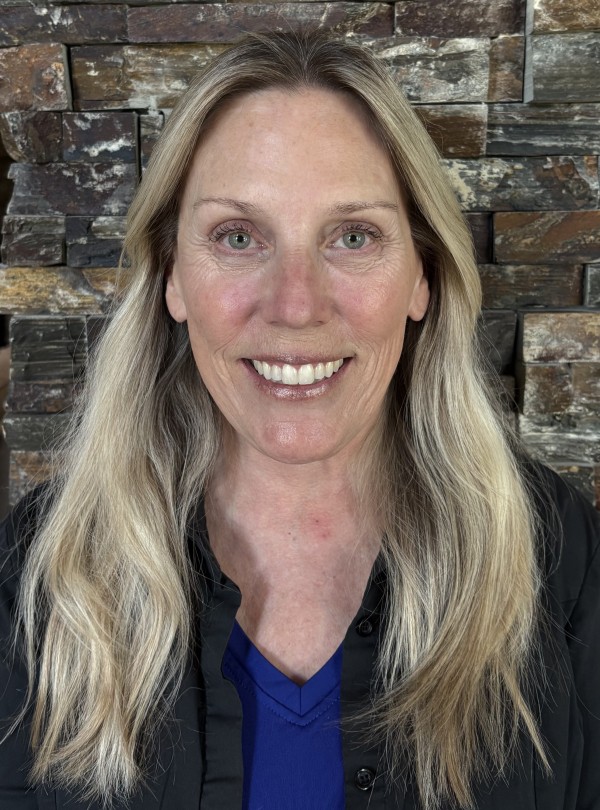
Michelle Coe’s daughter Lauren sustained a severe brain injury at age 22. Michelle shared how their family reorganized around Lauren’s recovery while balancing ongoing support, independence, fatigue and purpose.
Years later, fatigue remains one of Lauren's greatest challenges. Cognitive and executive functioning issues also require ongoing balancing between support and independence. These challenges are especially important because many of the long-term effects of brain injury are not obvious to other people.
Speech therapist Noelle Mitchell emphasized how difficult that invisibility can be. When someone looks physically well, friends, relatives, employers, and even acquaintances may not understand what is happening cognitively or emotionally. They may not recognize fatigue, processing difficulties, memory problems, sensory overload, or the amount of effort required to complete what once seemed like an ordinary task.
That invisibility can leave survivors and their families feeling isolated at exactly the time they most need understanding.
Finding Purpose During Brain Injury Recovery
Lauren's story also demonstrates another important part of long-term brain injury recovery: the need for purpose.
Before her injury, Lauren was preparing for a career as a paramedic. Her brain injury changed that path, but it did not eliminate her desire or ability to contribute. Over time, Lauren found different ways to use the qualities that originally drew her toward helping others, including peer mentoring and art.
Purpose after brain injury may not look like returning to the career, responsibilities, or lifestyle someone had before the injury. It may mean discovering a new way to contribute, connect, create, help, or belong.
Recovery doesn't always mean returning to the life you had. Sometimes it means building a meaningful life from what is possible now.
Balancing Independence and Support After Brain Injury
Olivia Kunevicius shared the story of her sister Jessica, a highly accomplished attorney who ran her own law firm. At age 40, Jessica experienced cardiac arrest while on a dance floor. The resulting oxygen deprivation caused a severe anoxic brain injury, and her initial prognosis was devastating.
After the family had prepared to say goodbye, Jessica woke and began talking approximately 12 hours later. What followed was an extraordinary recovery journey. Jessica spent roughly two years in brain rehabilitation and had to relearn fundamental skills, including reading, writing, and walking.
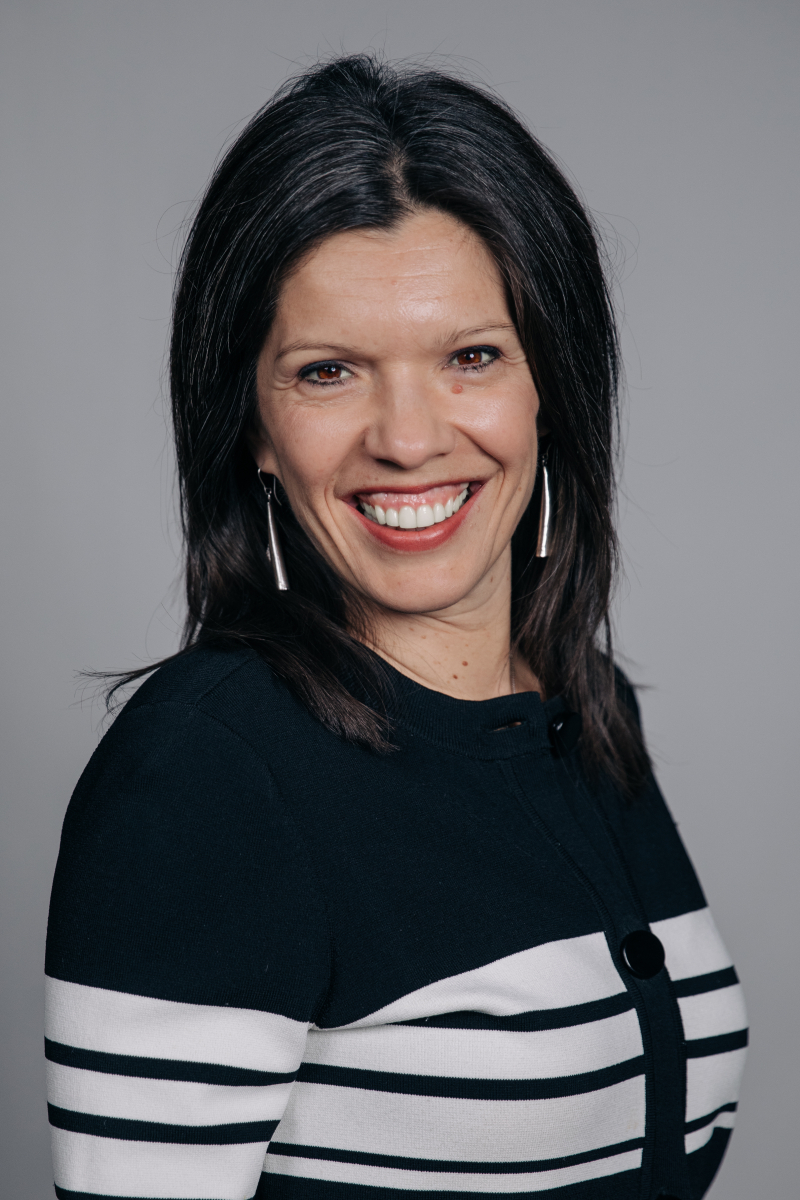
Olivia Kunevicius shared the story of her late sister Jessica, whose life changed after a cardiac arrest caused a severe anoxic brain injury at age 40. Jessica’s journey left Olivia with powerful lessons about independence, identity and appreciating the progress that is possible.
Olivia and Jessica's husband became central members of her support system. But supporting Jessica also meant confronting a difficult question familiar to many families after brain injury: when do you help, and when do you step back?
There were times when Olivia found herself needing to “pump the brakes.” Jessica wanted independence. The people who loved her wanted to keep her safe. Those goals did not always align neatly, and boundaries could become complicated.
The tension between protection and autonomy is one of the hardest realities families may face after brain injury. Supporting recovery does not mean eliminating every risk or challenge. It can also mean finding ways for the person with the injury to reclaim agency over their own life.
Identity and Self-Worth After Brain Injury
Jessica eventually relearned many skills, but cognitive changes, memory difficulties, and fatigue prevented her from returning to the professional life she once knew. For someone whose identity had been closely connected to achievement and work, that loss was profound.
Jessica later faced breast cancer in 2019 and then a recurrence. She died in 2022 at age 45.
Looking back at her sister's life, Olivia shared one of the most powerful lessons from the discussion: “Your identity is not your work. Your value is who you are as a person.”
Before her injury, much of Jessica's value had been connected to doing—working, accomplishing, producing, achieving. After her injury, she could no longer “do” in the same ways. Yet her impact did not disappear. Her worth was never limited to her productivity.
That message reaches far beyond brain injury. Human value does not disappear when someone's capacity changes.
Olivia also reflected on the uncertainty families live with during recovery. “You don't know where the finish line is,” she said. Looking back, she realized there were moments she might have appreciated differently if she had known they represented the best things would become.
Brain injury families rarely know where the finish line is either. Recovery can make it difficult to recognize progress while everyone is still waiting for what comes next.
“Your identity is not your work. Your value is who you are as a person.”
— Olivia Kunevicius
Understanding the Long-Term Brain Injury Recovery Process
From her perspective as a speech therapist, Noelle Mitchell described brain injury recovery as a process that changes over time. Early priorities may center on medical stability and physical health. Rehabilitation may focus more heavily on regaining skills and independence. Longer-term recovery can increasingly involve compensation strategies, environmental changes, relationships, identity, and building a sustainable life around whatever challenges remain.
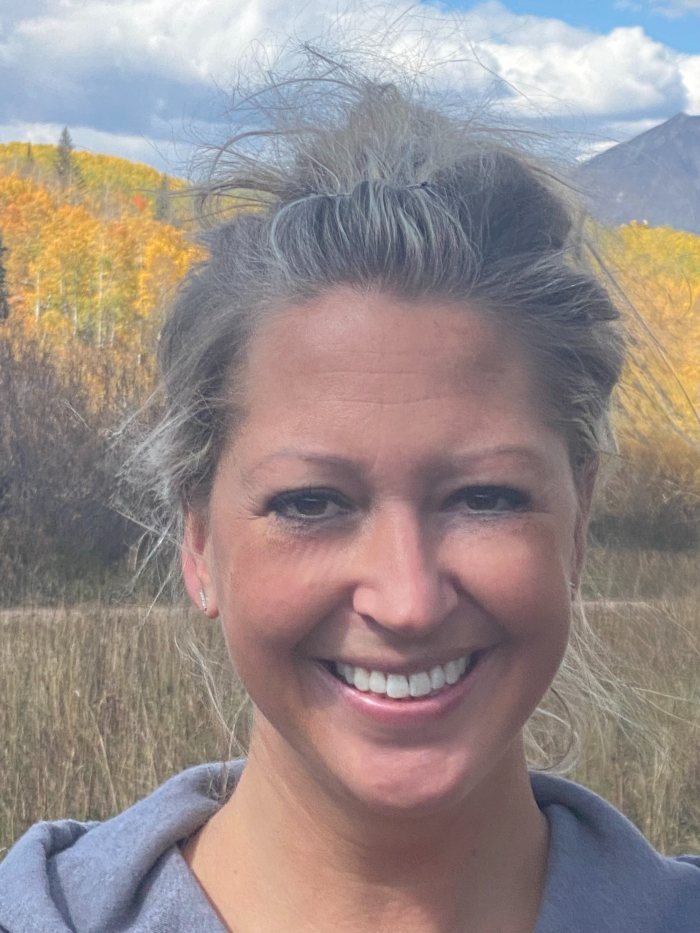
Speech therapist Noelle Mitchell offered a professional perspective on the changing needs of brain injury survivors and their families, including invisible challenges, long-term adjustment and the importance of realistic optimism.
The path is rarely a straight line. Progress may come quickly in one area and slowly in another. Some challenges may improve while others remain. Families may also discover that finding the right professionals, resources, and care team takes time, patience, and research.
Noelle emphasized the importance of holding two ideas at once: reality and possibility. Her advice was to “be realistic and optimistic.”
Realistic optimism does not require families to deny what has changed. It allows them to acknowledge the realities of the injury while continuing to recognize progress, possibility, connection, and meaning.
“Remember you are important. Both the person injured and the caregiver.”
— Jose Reyes
Brain Injury Family Support: What Families Want Others to Know
The stories shared during this Brain Injury Hope Foundation conversation were different, yet they repeatedly returned to the same lessons. Families need support, and so do care partners. Fatigue and limited capacity are real, even when someone appears physically recovered. Independence matters. Purpose matters. Small wins matter. And the person who sustained the brain injury is always more than the injury itself.
Families also need permission to evolve. The roles people held before an injury may no longer work. A spouse may become a care partner and later must learn how to become a spouse again. Parents may struggle with when to protect an adult child and when to step away. Survivors may have to redefine independence, success, work, and identity.
Jose offered perhaps the simplest reminder of all: “Remember you are important. Both the person injured and the caregiver.”
Brain injury can change an entire family. It can alter roles, routines, relationships, expectations, and dreams for the future. But change does not mean that connection, purpose, identity, or possibility have disappeared.
Families learn. Relationships adapt. Roles evolve. Survivors discover different ways to contribute. Care partners learn that their own capacity matters, too. And somewhere between grieving what was and building what comes next, families can begin to recognize something they may not have been able to see at the beginning: recovery is not only about getting back what was lost. It can also be about discovering how to live meaningfully with what is here now.

Leave A Comment