By Sue Fody
Creativity is the use of imagination or original ideas in the production of creative work. Creativity promotes healing, and three artists share their very different journeys of recovery. Our three panelists use their inventive nature to help heal themselves and were here to share their artistry and resilience with others. Although they’ve all lost so much, they have all discovered they have gained so much and realize their common threads are connectivity and finding joy in the process.
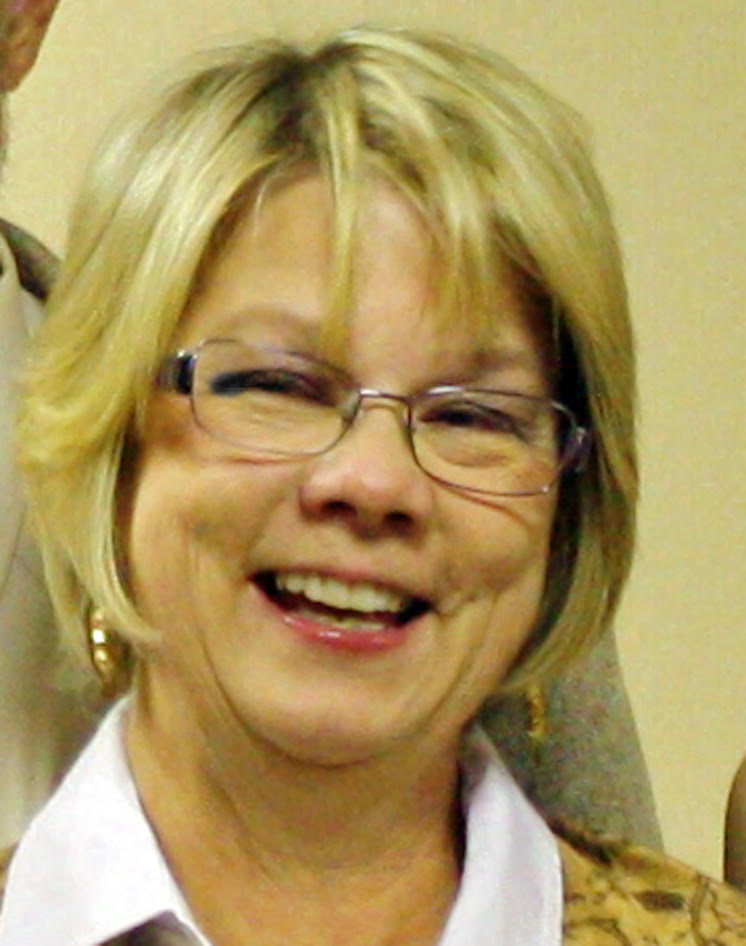
Heidi Snyder, botanical and nature artist specializing in colored pencil. (Website under construction.)
Heidi Snyder is living with an acquired brain injury after three strokes took away her abilities to focus on details and reach her vision of perfection when creating scientific illustrations. In her new reality, time has taught her to “retool and rethink.”
First attempts at drawing after her third stroke were scary, because art was part of her identity. To her relief, she found she could still draw! However, Heidi now knows her colored pencil drawings don’t have to be absolutely perfect to still be good. She now realizes that she notices more detail than she ever cared about before her strokes. In reference to her drawing of a ram, she wanted to show the “specimen of the animal as well as the very unique geometric design that goes around the horn”. When asked whether she would have seen this before her strokes, Heidi indicates “No, I wouldn’t have cared.”
Heidi says, “I’m having a wonderful time having a new outlook, using colors differently…” and realizes that if I don’t get all the details right it’s still work I enjoy. Heidi acknowledges that although she can no longer drive and go places, she can still draw. That brings her joy!
Heidi’s daughter Konnie was in this webinar chat and added “…post-stroke she (my mom) sees more connections - and hope in the world around her. In turn, her brain injury journey has inspired her to share that newfound hope”.
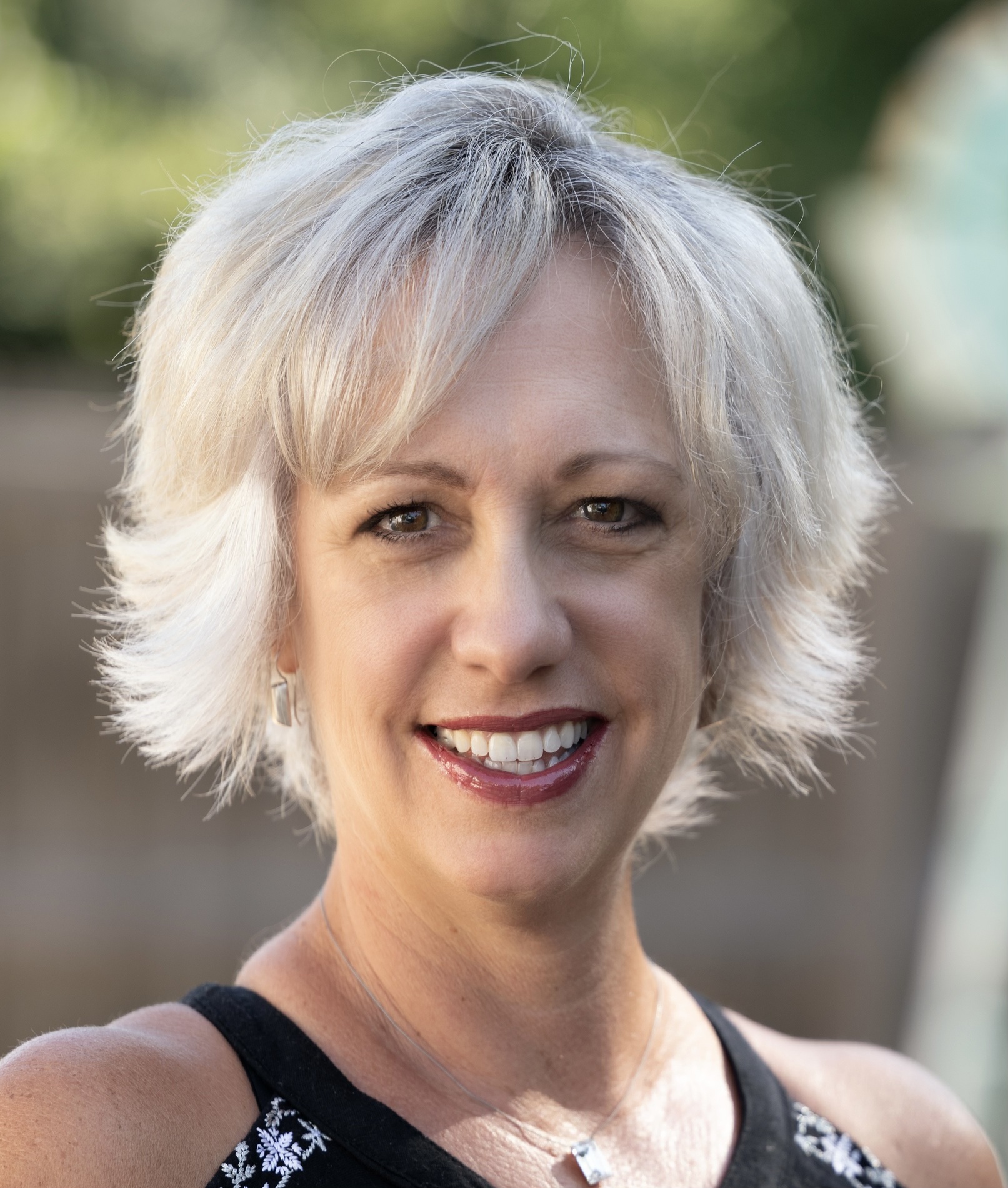
Jena Taylor, author, speaker and creator, known for her work in resilience training. (www.resiliencebrilliance.co)
Jena Taylor also reclaimed her life by rebuilding her brain through creation. She says, “I didn’t just survive, I rose.” Jena survived a near death experience, a brain injury, and heartbreaking personal loss. She lost the ability to write, walk, talk, and suffered from almost complete short term memory loss.
As a writer, one of Jena’s fears was that her injury would cause her to lose that ability. Her strong mindset pushed her to “just go in and do it.” She was able to complete job projects and went on (because she needed to prove to herself that she could) to finish a book she had started to write and then wrote several more books. Jena says, “as a brain injury survivor, when you do something monumental, it’s amazing! It just feels like you’ve got a little bit more power, a little more self-control, and a little bit more belief that we can do more things.”
Another creative outlet for Jena is baking. As a brain injury survivor, following a recipe requires intense focus, good notes and a precise process – which is really good brain therapy. Baking instills joy. Jena says, “This isn’t just baking. This is the brain building neural-pathways.”
Community puzzling with 300 – piece puzzle sets is a brain building activity. Jena enters timed competitions to complete puzzles, which force her brain to develop different neural connections. Puzzling is also cognitive stamina training that forces her to focus and regulate her emotions. And that’s not all! Jena loves to journal (it gets rid of negative feelings) and produces podcasts (focused on overcoming her brain injury) called Resilience Brilliance.
Jena’s message of hope for other survivors is to not lose sight of your goals, no matter how long it takes to heal. Once she got well enough to function, her choice and determination was to keep getting stronger. Brain injury is an invisible injury. Jena’s resilience has inspired her to thrive by helping others rebuild their lives.
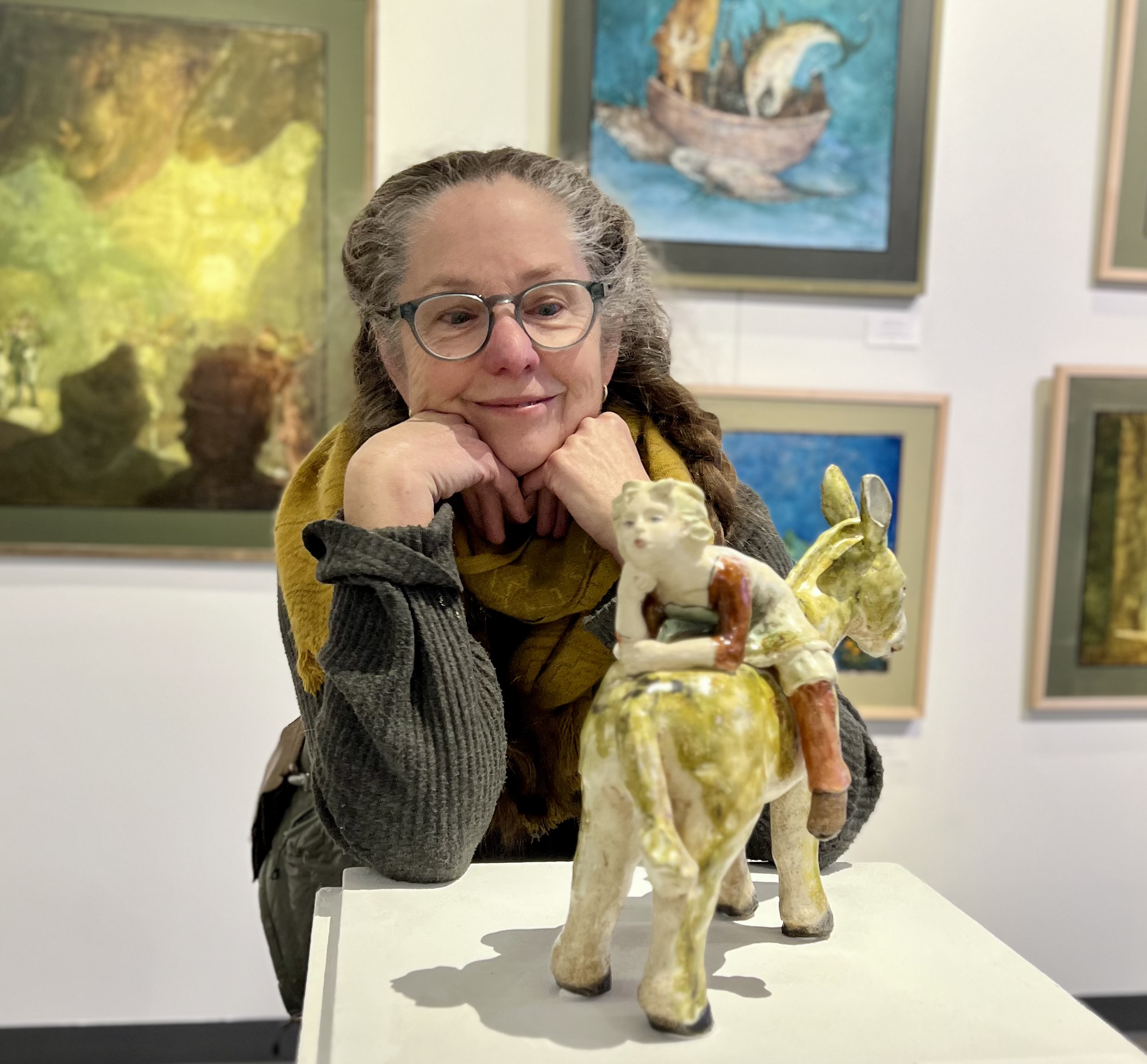
Caroline Douglas, Figurative clay sculptor. (carolinedouglas.com)
Caroline Douglas had a near death experience. A catastrophic accident occurred when she was decorating a gym on a cherry picker ladder and the locking mechanism had not been activated. Caroline describes it like this: “It collapsed with my head between the metal ladder and the metal cage. I left my body out of the top of my head, and I was in the corner of the room watching. My head was crushed, and I fell about 15 feet to the floor.” After a long moment of bliss, she heard a voice inside her that gave her a choice to live or not. Caroline saw her son looking at her damaged body, and she chose life. What ensued was an eight-year rehab process, searching for ways to heal herself.
Caroline had always worked with clay, making functional pottery- jars, mugs and things. After the brain injury, she eventually went back to working with clay but in a whole different way than before.
Caroline started having dreams at night displaying big figures and animals that wanted to be created. She couldn’t talk or walk well, and fainted often. However, her hands knew what to do. “I felt like I was somewhat of a vessel that these images sort of poured through me with an urgency.” For example, she often dreamed of images of beautiful women with their eyes closed in a serene state. Even though she says her nervous system was fried, she became those women, and she became more serene and calm. “It was kind of a magical thing.”
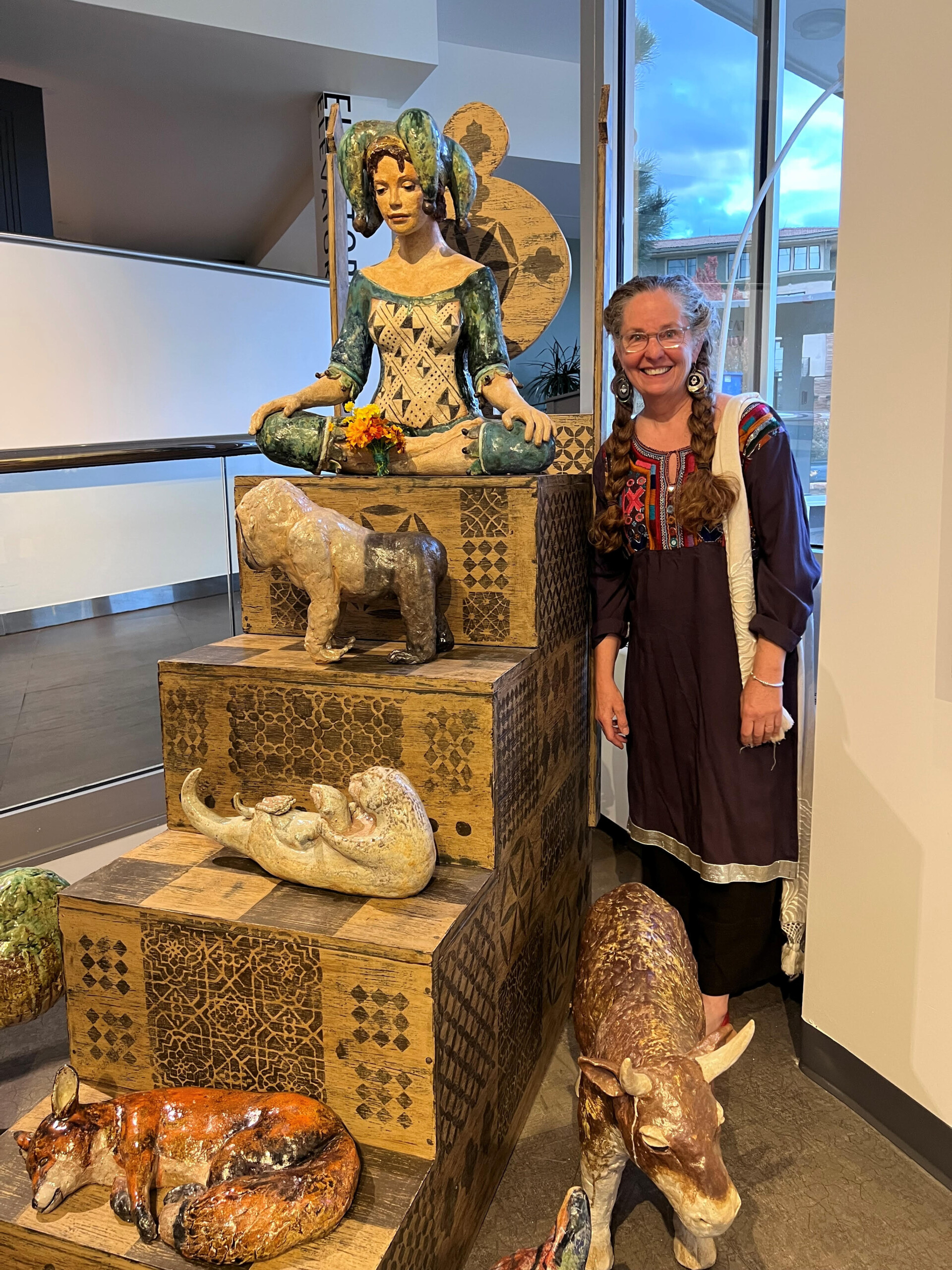
Caroline’s large work
Caroline created animals from her dreams as well, and felt so connected to them. Her figures, unlike pre-injury figures, were huge – larger than life-sized. Creating them contributed to much of her healing.
“I inspire through images. I teach a lot, but mainly what I’m trying to do is help people find their own way to their own voice.” In doing so she comes up with exercises and creative writing challenges to delve deeper than just the surface of the things that people want to express.
I feel like the fire of inspiration feeds me in a way. I become satisfied at the end of making something. Even if it’s not the perfect product, the flow of making and creating feeds me, heals me, and honestly, that’s basically what healed me from my head injury.
Caroline’s numerous large pieces, which she can’t stop making, are in many galleries and museums across the country.
Caroline’s confidence in her creativity is due to showing up every day. It nourishes, heals and feeds her soul. Her art gives her something to share with others while for her it’s joyful and fun!
Our three panelists want to relay their wisdom.
Look to what brings you joy. That is where the aliveness and the magic is. Give yourself grace along your healing journey. You can’t push through a brain injury. It dictates the pace of healing.
There’s no need to worry because life works out perfectly. Focus on gratitude, joy, kinetic connectedness and accepting your imperfections. Start healing from where you are. Find something you can do, and set a goal to complete it. That will build your confidence, give your brain more practice, and rewire your neurons.
Don’t let other people tell you how or what to do, or to set limits on you. They are in a totally different place than you. Ask yourself what brings you alive? What gives you joy, satisfaction and puts you in the flow? Follow that message.
Structure restores order. Completion restores confidence. Sharing restores connection and connection is vital to resilience. We build cognitive strength just like athletes build muscle. It’s about repetition, focus, stretching and completion. If we don’t stretch, we get stiff and rigid, become lethargic. Don’t wait. Creativity is not a luxury. Find your own way to create, pick a finish line and aim to complete something. Don’t aim for perfection. Creating is cognitive therapy. Feed and nourish your soul with love and appreciation for what you’ve accomplished.
The common theme is connection, acceptance and the healing power of artistic expression.
Suggested Book References:
Start Where You Are: A Guide to Compassionate Living by Pema Chodron
Super Better: A Revolutionary Approach to getting Stronger, Happier, Braver and More Resilient-Powered by the Science of Games, by Jane McGonigal
